
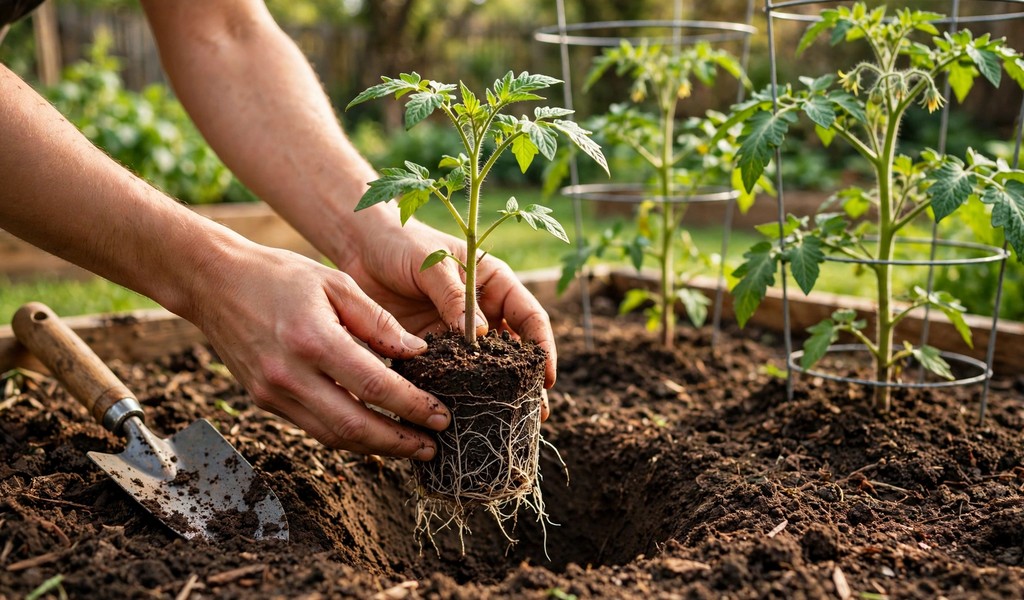
Plant tomatoes outdoors one to two weeks after your average last spring frost date. Wait until nighttime temperatures stay above 50 degrees and soil temperature reaches at least 60 degrees. These two conditions matter more than any calendar date for healthy growth.
Tomatoes love warmth, yet cold soil stunts roots and late frost can kill young plants overnight. Consequently, eager gardeners who plant too early often harvest less than patient neighbors. Soil warmth, steady night temperatures, and hardened seedlings form the real planting signal. This guide shows you how to read those signals and time transplanting perfectly.
You will learn frost dates, soil testing, seed starting timelines, and hardening techniques. Finally, you will find regional timing guidance and protection tricks for surprise cold snaps.
Find Your Last Frost Date
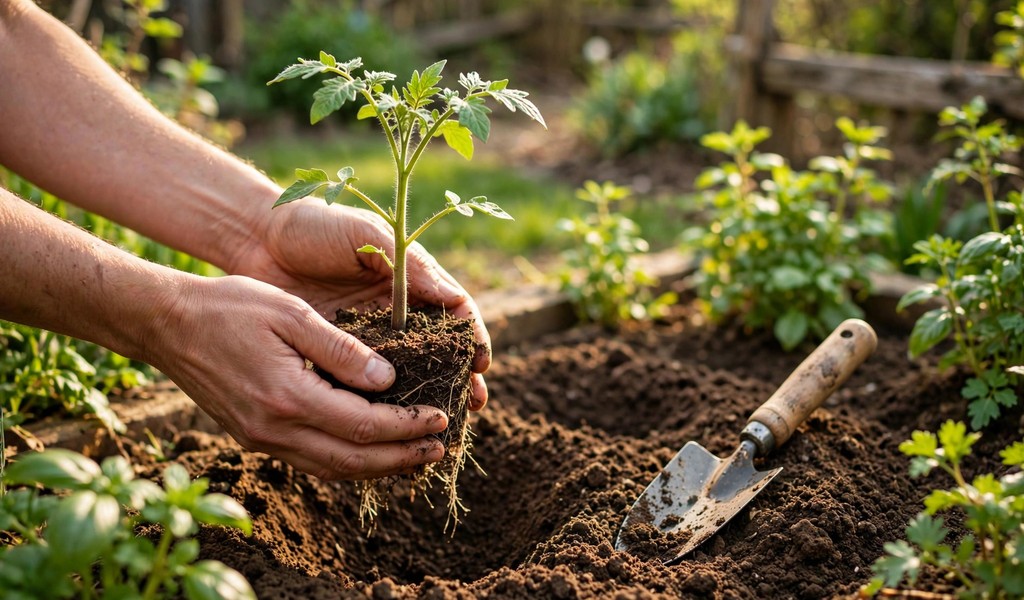
Your average last spring frost date anchors the entire tomato calendar. Look it up through your local cooperative extension service or a frost calculator. Then count backward six to eight weeks to set your indoor seed starting date. Remember, this date marks an average, not a guarantee, so always check the forecast too.
Hardiness zones add useful context, but microclimates can shift your real window noticeably. For example, south facing walls warm soil faster, while low valleys collect cold air overnight. Similarly, coastal fog can delay warming even after the frost date passes. Therefore, observe your own garden conditions rather than trusting zone maps alone.
Check Soil Temperature First
Soil temperature predicts root success better than warm air ever will. Push a soil thermometer four inches deep into your planting bed in the morning. Transplant only after readings hold at 60 degrees or higher for several days. Ideally, wait for 65 to 70 degrees, since warmer soil speeds root growth dramatically.
Cold soil shocks tender roots and stalls growth for weeks, even without visible frost damage. Meanwhile, warm soil encourages rapid root expansion and stronger early stems. If readings lag behind air temperatures, cover beds with black plastic for a week. This simple trick traps solar heat and raises soil temperature several degrees.
Start Seeds Indoors at the Right Time
Sow tomato seeds indoors six to eight weeks before your last frost date. Use sterile seed starting mix, keep soil moist, and provide 14 to 16 hours of light daily. Grow lights prevent leggy seedlings better than windowsills alone in most homes. Consequently, your transplants will grow stocky, sturdy, and ready for outdoor life.
Transplant seedlings only after they develop two to four sets of true leaves. True leaves follow the first seed leaves and signal a stronger root system. Most seedlings reach this stage four to six weeks after sowing, depending on variety. Determinate bush types often mature slightly earlier than indeterminate vining types.
Harden Off Seedlings Over Seven to Ten Days
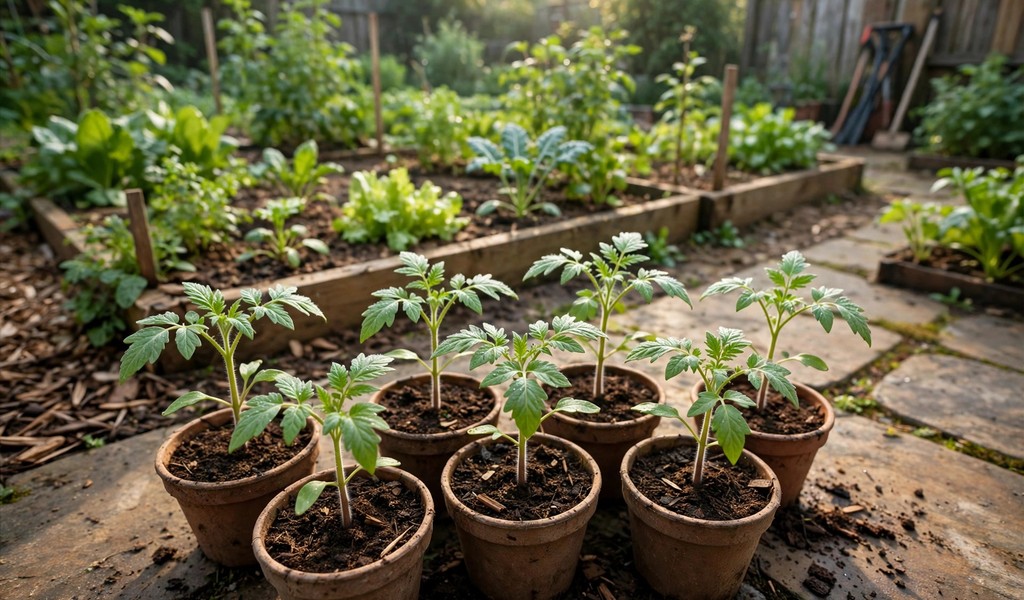
Hardening off gradually exposes indoor seedlings to sun, wind, and temperature swings. Start with one or two hours of outdoor shade on the first day. Then increase exposure by one or two hours daily, adding gentle morning sun gradually. Bring plants indoors at night whenever temperatures threaten to dip below 50 degrees.
Sunlight and windburn damage more seedlings than cool temperatures during hardening. Therefore, avoid harsh midday sun during the first few days outdoors. Watch for wilting, pale patches, or leaf scorch, and shorten exposure if symptoms appear. By day seven, most seedlings tolerate full days outside with confidence.
Transplant Deeply and Support Early
Choose a sunny spot with six to eight hours of direct light daily. Dig each hole deep enough to bury two thirds of the seedling stem underground. Strip the lowest leaves first, then set the plant deep and firm the soil gently. Buried stems sprout extra roots, which anchor plants and boost nutrient uptake.
- Spacing: set plants 18 to 24 inches apart for airflow and growth.
- Compost boost: mix compost into each hole for drainage and steady fertility.
- Water deeply: soak the root zone thoroughly right after transplanting.
- Mulch layer: spread two to three inches of straw around plants afterward.
- Support now: install stakes or cages immediately to avoid later root damage.
Water thoroughly after planting, then mulch to hold moisture and steady soil temperature. Avoid piling mulch against stems, since trapped moisture invites rot. Once plants settle in, pruning shapes growth and boosts harvests. See this guide to mastering tomato pruning for a step-by-step approach. Finally, feed lightly at transplant time, because heavy fertilizer can burn tender new roots.
Protect Against Late Frosts
Late frosts threaten even careful gardeners, so keep row covers or cloches ready nearby. Cover plants before sunset when frost threatens, and remove covers each morning. Fabric covers trap ground warmth without crushing tender foliage overnight. Meanwhile, water soil lightly before a frost, since moist soil holds heat longer.
If frost damages leaves, wait before pruning, since some tissue recovers slowly. However, blackened stems rarely recover, so replace severely damaged plants promptly. As a backup, keep a few spare seedlings indoors until frost danger fully passes. This insurance costs little and saves your harvest timeline.
Regional Timing at a Glance
Warmer zones plant earliest, while cooler zones wait longest for safe conditions. For instance, zone 9 gardeners often transplant in March, but zone 5 gardeners wait until late May. Zone 7 gardeners typically plant between late April and mid May. Always confirm your own frost date and soil readings before following regional averages.
Frequently Asked Questions
What temperature is too cold for tomato plants?
Frost kills tomato plants, and nights below 50 degrees stall growth, so wait for steady warmth.
How do you harden off tomato plants?
Set seedlings outdoors in shade for an hour daily, then lengthen exposure over seven to ten days.
Can you plant tomatoes before the last frost?
No, plant tomatoes only after the last frost passes, since light frost damages young plants.
How deep should you plant tomato seedlings?
Bury two thirds of the stem underground, leaving the top leaves above soil, for stronger root growth.
When should you start tomato seeds indoors?
Start seeds indoors six to eight weeks before your average last spring frost date.
Conclusion
Warm soil, steady nights, and hardened seedlings set your tomatoes up for a strong season. Check your frost date, test the soil, and harden your plants before transplanting day arrives. Then plant deeply, water well, and keep frost covers handy for surprise cold nights. Start your seeds this week and give your garden its best tomato season yet.
