

Whether you’re a beginner gardener or a seasoned plant enthusiast, The Ultimate Guide to Indoor and Outdoor Plant Care provides everything you need to cultivate vibrant, healthy plants. With houseplant sales increasing by over 50% since 2019 (source: National Gardening Association), plant care has become more than just a hobby—it’s a lifestyle that fosters wellness, beautifies spaces, and even boosts air quality.
This comprehensive guide dives into detailed strategies, expert tips, and logical insights that help both indoor and outdoor plants flourish in every environment.
Understanding the Basics of Plant Care
Caring for plants starts with understanding their core needs—light, water, soil, nutrients, and climate. Each plant species varies in its preference, but these five pillars remain consistent.
Light is often misunderstood. For example, “bright indirect light” for indoor plants doesn’t mean direct sunlight. Direct exposure can scorch leaves, especially for shade-loving varieties like pothos or ferns. Outdoors, positioning is equally vital. Sun-loving plants like lavender or rosemary require 6–8 hours of sunlight daily, while hydrangeas thrive in partial shade.
Watering mistakes are the leading cause of plant death. Over 80% of indoor plants die from overwatering, not under-watering. This is often due to poor drainage or lack of understanding of a plant’s native habitat. Cacti and succulents from arid regions need infrequent watering, while tropical plants prefer consistent moisture.
Soil composition also plays a vital role. Indoor houseplants generally do well in well-draining potting mixes, often peat or coco coir-based. Outdoor plants might need specialized soil—acidic for azaleas or sandy for Mediterranean herbs.
Indoor Plant Care: Strategies That Work
Indoor environments challenge plants with inconsistent light, dry air, and temperature changes. However, indoor plants like snake plants, ZZ plants, and philodendrons adapt well and offer impressive air-purifying properties, as reported by NASA’s Clean Air Study.
To help indoor plants thrive:
-
Place plants near east or south-facing windows for optimal natural light.
-
Avoid placing plants near heaters or AC vents to prevent moisture loss.
-
Use a humidifier or pebble tray to maintain humidity around tropical plants.
-
Rotate pots weekly to ensure even growth and prevent leaning.
Repotting is often overlooked. Every 12–18 months, indoor plants outgrow their containers. Root-bound plants suffer nutrient deficiency and stunted growth. Repotting with fresh soil reinvigorates their growth and prevents diseases.
Pest control indoors is also critical. Common culprits include fungus gnats and spider mites. A diluted neem oil spray offers a natural, non-toxic solution that won’t harm pets or children.
Outdoor Plant Care: Nature-Driven Techniques
Outdoor gardening offers the advantage of natural rainfall, direct sunlight, and pollinator access. However, it comes with threats like temperature extremes, pests, and soil erosion.
Key outdoor care tips include:
-
Mulch garden beds to retain moisture and reduce weeds.
-
Water early in the morning to prevent evaporation and fungal growth.
-
Use raised beds or containers for better control over soil composition.
-
Test soil pH annually to ensure nutrient availability.
Seasonal maintenance is non-negotiable. Prune back perennials in early spring, fertilize in mid-spring, and protect tender plants with frost cloths during early frosts. Many gardeners follow the “right plant, right place” principle—only growing what suits the region’s hardiness zone.
Integrated pest management (IPM) is a strategic approach to pest control that combines prevention, monitoring, and control. Companion planting (e.g., marigolds with tomatoes) naturally repels pests without chemicals.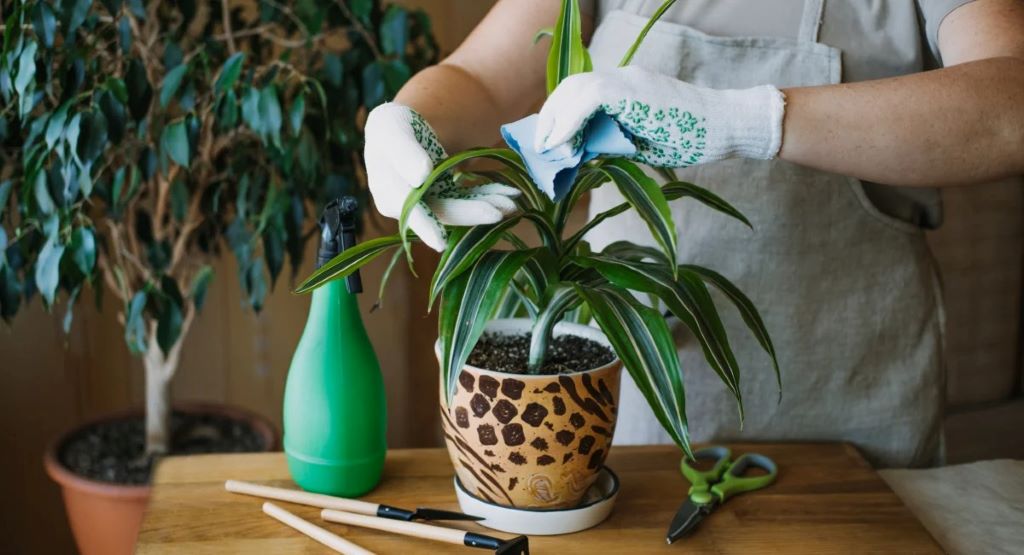
Fertilization: Feeding Plants the Right Way
Plants, like all living beings, need food—but feeding the wrong fertilizer at the wrong time can cause more harm than good. Balanced N-P-K (nitrogen, phosphorus, potassium) fertilizers support overall plant health. However, each stage requires different ratios. Leafy greens prefer nitrogen-rich feed, while flowering plants need more phosphorus.
Organic options like compost tea, worm castings, or fish emulsion improve soil structure and boost microbial life. They are safe, sustainable, and increasingly recommended by professional horticulturists.
Indoor vs Outdoor: Key Differences
The biggest difference between indoor and outdoor plant care lies in control versus unpredictability. Indoors, you manage light, water, and temperature. Outdoors, you’re subject to the elements. Yet, both require dedication and observation.
Indoor plants demand routine—watering, dusting leaves, checking for pests weekly. Outdoor plants need seasonal planning, hardscaping, and ongoing environmental adaptation. However, the principles of attentive care, observation, and consistency apply universally.
Common Mistakes and How to Avoid Them
-
Overwatering – Always check soil moisture first.
-
Wrong pot size – Too large or too small pots hinder root development.
-
Ignoring light requirements – Don’t guess; research each plant’s needs.
-
Using garden soil indoors – It compacts and harbors pests.
-
Skipping pest inspections – Monthly checks prevent infestations.
Learning from mistakes is part of becoming a plant expert. Using tools like moisture meters, grow lights, and plant care apps can bridge the knowledge gap for beginners.
FAQs About The Ultimate Guide to Indoor and Outdoor Plant Care
1. How often should I water my indoor plants?
It depends on the plant, but most prefer watering when the top inch of soil is dry. Succulents may need water only twice a month.
2. What’s the best fertilizer for indoor plants?
A balanced liquid houseplant fertilizer (10-10-10) applied monthly during the growing season works well.
3. Can outdoor plants survive indoors during winter?
Yes, but they may need acclimation. Place them near bright windows and reduce watering.
4. How do I improve soil drainage?
Mix perlite or coarse sand into the soil. Avoid heavy, clay-based soils for container plants.
5. What causes yellow leaves on my plant?
Overwatering, poor light, or nutrient deficiency. Check each factor methodically.
6. Do indoor plants really clean the air?
Yes, though modestly. NASA’s study showed plants like peace lilies can remove VOCs like benzene and formaldehyde.
7. How can I keep pests off outdoor plants naturally?
Try neem oil, garlic sprays, or beneficial insects like ladybugs for natural pest control.
Final Thought
The Ultimate Guide to Indoor and Outdoor Plant Care reveals that success with plants stems from understanding their environments, not just watering routines. Whether you’re growing herbs on a windowsill or nurturing a backyard oasis, consistency and observation are your most powerful tools.
Plants transform spaces, purify air, reduce stress, and connect us to nature. With proper care, your green companions will reward you with beauty, calm, and even cleaner living. Follow this guide, avoid common pitfalls, and you’ll master plant care—indoors and out—with confidence and ease.
Read More: How to Identify and Treat Common Plant Problems Before They Kill Your Garden
