

Lily beetles (Lilioceris lilii) are a gardener’s nightmare, notorious for wreaking havoc on lilies and fritillaries. These bright red pests can decimate your garden’s beauty if left unchecked. This article provides a detailed, expert-backed guide to identifying, preventing, and controlling lily beetles using a combination of manual, organic, and chemical methods. By following these strategies, you can protect your plants and maintain a thriving garden. Let’s dive into how to tackle these destructive insects effectively.
Understanding the Lily Beetle Problem
Lily beetles are small but destructive, posing a significant threat to ornamental gardens. Native to Europe and Asia, they’ve spread globally, targeting lilies (Lilium spp.) and fritillaries (Fritillaria spp.). Controlling them is crucial to preserving your plants’ health and aesthetics. Early intervention and consistent management are key to keeping infestations at bay.
Identifying Lily Beetles
Recognizing lily beetles and their damage is the first step in effective control. Here’s what to look for:
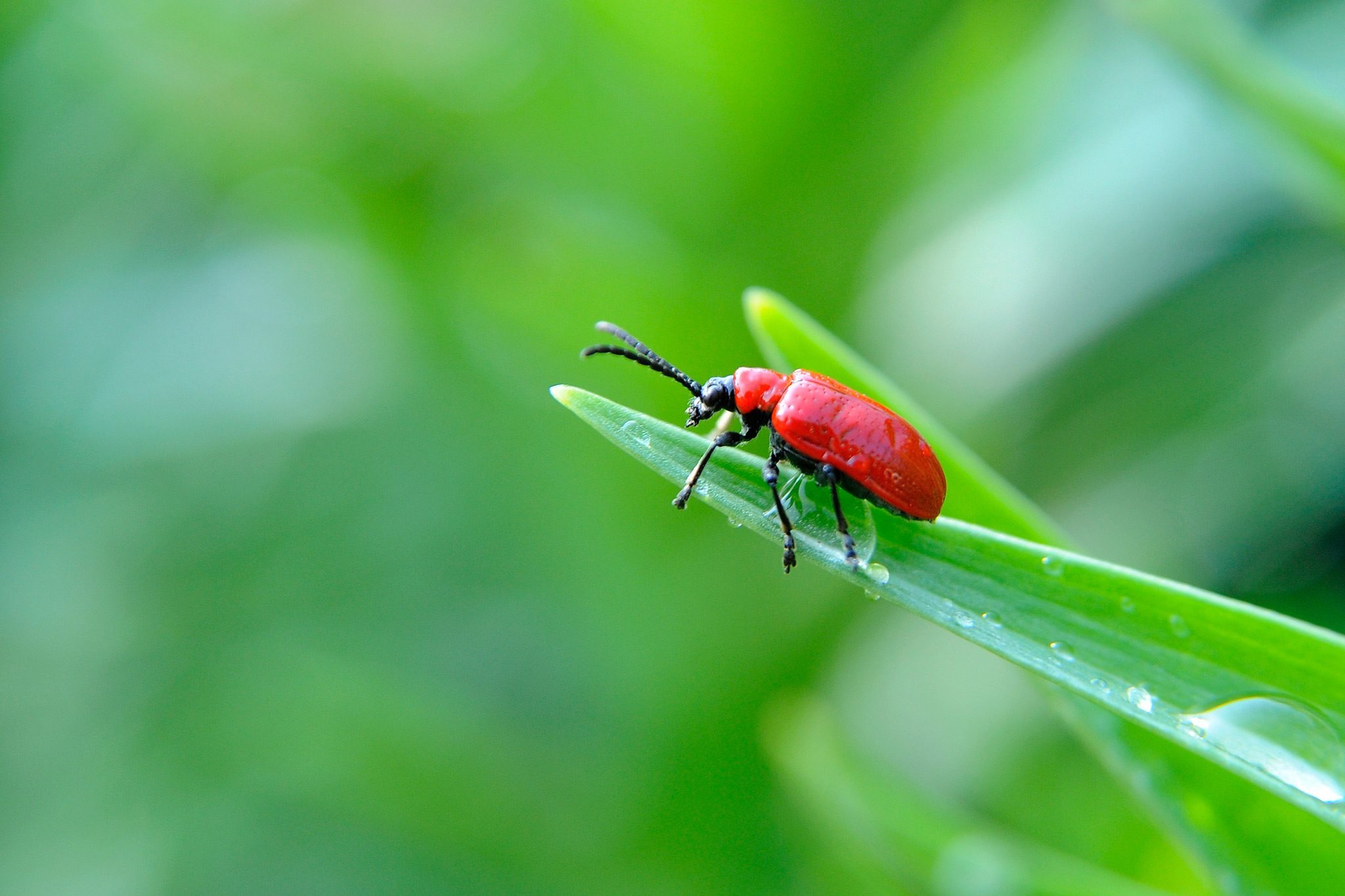
- Adult Beetles: Bright red, about 6-8mm long, with black heads and undersides. They’re often seen on leaves and flowers.
- Larvae: Orange-red, slug-like, and covered in black excrement, making them harder to spot.
- Damage Signs: Chewed leaves, buds, and flowers, often with irregular holes or skeletonized foliage.
- Eggs: Small, orange-red eggs laid in rows on the undersides of leaves.
Regularly inspect your lilies and fritillaries, especially in spring when beetles emerge. Early detection can prevent severe infestations.
Preventing Lily Beetle Infestations
Prevention is always better than cure. Implementing these strategies can reduce the likelihood of lily beetle infestations:
- Regular Inspections: Check plants weekly in early spring to catch beetles before they multiply.
- Clean Garden Beds: Remove plant debris in fall to eliminate overwintering sites for adult beetles.
- Companion Planting: Plant garlic, onions, or marigolds near lilies to deter beetles with their strong scents.
- Physical Barriers: Use fine mesh netting or row covers to block beetles from reaching plants.
These proactive measures create an environment less hospitable to lily beetles, reducing the need for intensive control later.
Manual Control Methods
Manual control is a hands-on, eco-friendly approach to managing lily beetles. Here’s how to do it effectively:
- Hand-Picking: Early in the morning or evening, when beetles are less active, gently shake plants over a bucket of soapy water to collect and drown them.
- Egg Removal: Inspect leaf undersides for rows of orange eggs and scrape them off with a gloved hand or cloth.
- Larvae Control: Remove larvae carefully, as they can be mistaken for dirt due to their excrement coating.
- Consistent Monitoring: Check plants every few days to prevent re-infestation.
Manual removal is labor-intensive but highly effective for small infestations and minimizes environmental impact.
Organic Control Methods
For gardeners preferring natural solutions, organic methods can effectively manage lily beetles without synthetic chemicals:
- Neem Oil: Apply neem oil sprays to deter beetles and disrupt their reproductive cycle. Dilute according to label instructions and apply in the evening to avoid harming pollinators.
- Insecticidal Soap: Spray affected plants thoroughly, targeting larvae and adults. Reapply every 5-7 days as needed.
- Natural Predators: In some regions, parasitic wasps like Tetrastichus setifer target lily beetle larvae. Check with local agricultural extensions for availability.
- Diatomaceous Earth: Sprinkle food-grade diatomaceous earth around plant bases to deter crawling beetles. Reapply after rain.
These methods are safe for the environment and beneficial insects when used correctly. Always follow product guidelines for best results.
Chemical Control Methods
For severe infestations, chemical controls may be necessary, but they should be used as a last resort due to environmental concerns:
- Pesticide Selection: Choose products labeled for lily beetle control, such as those containing imidacloprid or spinosad.
- Timing: Apply in early spring when beetles emerge to target adults before they lay eggs.
- Safety Precautions: Follow label instructions carefully, avoid spraying during bloom to protect pollinators, and wear protective gear.
- Environmental Considerations: Be aware of pesticide runoff and potential resistance development. Rotate active ingredients to prevent resistance.
Chemical controls are effective but should be paired with other methods to reduce reliance and minimize ecological harm.
Long-Term Management Strategies
Sustaining a beetle-free garden requires ongoing effort. These long-term strategies help keep lily beetles at bay:
- Plant Rotation: Move lilies to different garden areas each year to disrupt beetle life cycles.
- Healthy Plants: Maintain optimal soil conditions and watering to strengthen plants against pest damage.
- Seasonal Monitoring: Continue inspections in spring and summer to catch new infestations early.
- Integrated Approach: Combine manual, organic, and chemical methods for a balanced, effective strategy.
Consistency is key to preventing lily beetles from becoming a recurring problem in your garden.
Read More Also: Mastering Tomato Pruning
Popular FAQs About Lily Beetles
| Question | Answer |
|---|---|
| What plants do lily beetles attack? | Lily beetles primarily target lilies (Lilium spp.) and fritillaries (Fritillaria spp.), but they rarely affect other plants. |
| Are lily beetles harmful to humans? | No, lily beetles are not harmful to humans or pets. They are a threat only to specific plants. |
| When are lily beetles most active? | They are most active in spring and early summer, emerging in April or May to feed and lay eggs. |
| Can lily beetles be eradicated completely? | Complete eradication is difficult, but consistent management can significantly reduce their population and damage. |
| Are there natural predators for lily beetles? | Yes, parasitic wasps like Tetrastichus setifer can control larvae, but they are not widely available in all regions. |
Conclusion
Controlling lily beetles requires vigilance, a combination of prevention, manual, organic, and chemical methods, and a commitment to long-term garden care. By identifying infestations early, using eco-friendly controls like neem oil or hand-picking, and reserving pesticides for severe cases, you can protect your lilies and fritillaries effectively. Regular monitoring and an integrated approach will keep your garden thriving and beetle-free. Start implementing these strategies today to enjoy healthy, vibrant plants all season long.
