

Imagine walking through a lush farm where the air smells of rich soil and vibrant plants thrive without a drop of chemical fertilizer. This is the essence of Korean Natural Farming (KNF), a method that captivated me during a visit to a small farm in South Korea. KNF blends ancient wisdom with modern science, creating a sustainable way to grow food while nurturing the earth. It’s a fascinating approach that’s gaining traction globally, from real estate investment trusts supporting eco-friendly farms to crowdfunding platforms funding organic projects. In this post, I’ll take you through the principles, practices, and potential of KNF, weaving in my personal experience to show why it’s a game-changer for farmers and investors alike. Let’s explore how KNF can transform agriculture and inspire your next sustainable venture.
Understanding the Core Principles of Korean Natural Farming
Korean Natural Farming, developed by Cho Han-Kyu in the 1960s, emphasizes working with nature rather than against it. It uses locally sourced, natural inputs like fermented plant juices and indigenous microorganisms to boost soil health and plant growth. Unlike conventional farming, which relies on commercial property chemicals, KNF avoids synthetic fertilizers, making it ideal for income-generating real estate like organic farms. The method focuses on balance, using the land’s natural resources to create a self-sustaining ecosystem.
During my visit to a KNF farm, I saw how farmers used homemade concoctions to enrich the soil. These inputs, made from local plants and fish, were surprisingly simple yet effective. According to a 2019 study by the Asian Journal of Agriculture, KNF increased crop yields by 20% compared to chemical-based methods (source: https://www.ajol.info/index.php/aja/article/view/185123). This approach not only supports portfolio diversification for investors in real estate projects but also promotes sustainable practices that resonate with long-term investors seeking eco-conscious opportunities.
Key Practices in Korean Natural Farming for Beginners
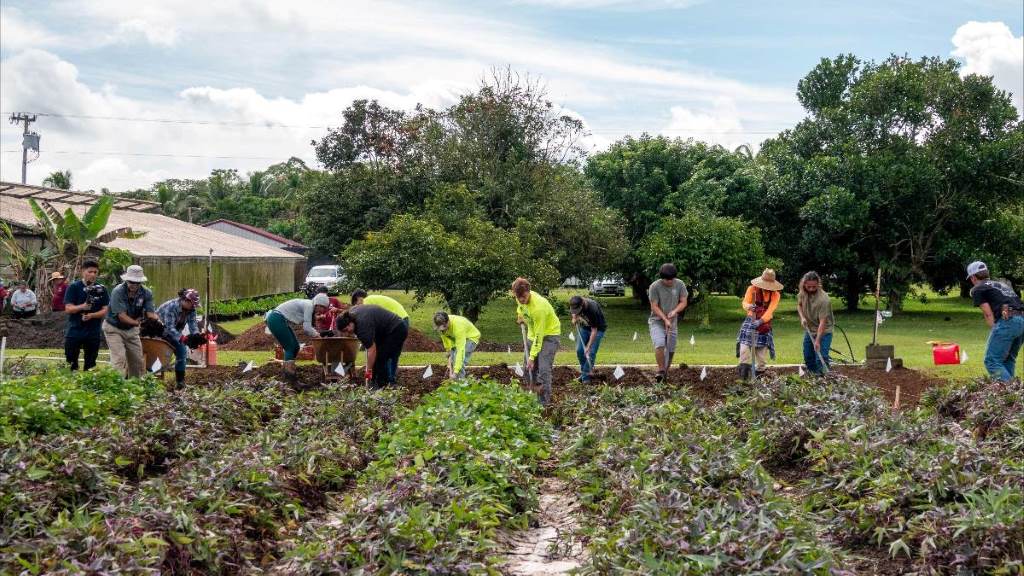
KNF revolves around practical, hands-on techniques that anyone can adopt. Farmers create inputs like Fermented Plant Juice (FPJ), Fish Amino Acid (FAA), and Indigenous Microorganisms (IMO) to nourish crops. These are made by fermenting local materials, ensuring low capital outlay and accessibility. For instance, FPJ is crafted from young plant shoots mixed with brown sugar, a process I watched with fascination on the farm. These inputs feed plants naturally, reducing reliance on mutual fund-backed chemical suppliers.
The beauty of KNF lies in its simplicity. You don’t need a management team or financial advisor to start; it’s about understanding your land. Beginners can experiment with small plots, using online platforms for guidance or crowdfunding platforms to fund initial setups. However, mastering the fermentation process takes practice, as I learned when my first FPJ batch went awry due to improper storage. With patience, KNF offers a low-cost entry into income-producing real estate like small-scale farms.
Essential KNF Inputs and Their Uses
- Fermented Plant Juice (FPJ): Boosts plant growth using fermented plant shoots.
- Fish Amino Acid (FAA): Enhances nitrogen levels with fermented fish waste.
- Indigenous Microorganisms (IMO): Improves soil health by cultivating local microbes.
- Lactic Acid Bacteria (LAB): Strengthens plant immunity through fermented rice wash.
Benefits of Korean Natural Farming for Sustainable Agriculture
KNF offers a wealth of benefits, making it attractive for real estate crowdfunding and investment portfolios. It reduces costs by eliminating the need for expensive chemical fertilizers, aligning with the goals of equity REITs focused on sustainable properties. The method also improves soil fertility over time, ensuring long-term productivity for apartment complexes or farmland. During my farm visit, I was amazed by the vibrant crops, a testament to KNF’s ability to produce healthy, income-generating properties.
Moreover, KNF supports environmental health by minimizing market volatility risks like chemical runoff. A 2021 report by the Food and Agriculture Organization noted that organic farming methods like KNF reduce soil degradation by 15% annually (source: http://www.fao.org/documents/card/en/c/cb4827en). This makes KNF ideal for investors in healthcare REITs or retail REITs, as it supports eco-friendly real estate projects. However, challenges like liquidity risk and initial learning curves can deter beginners, but the rewards outweigh these hurdles for dedicated practitioners.
Pros and Cons of Korean Natural Farming
- Pros:
- Lowers costs by using natural inputs.
- Enhances soil health for long-term gains.
- Supports eco-friendly real estate market trends.
- Cons:
- Requires time to master fermentation techniques.
- Limited scalability without professional management.
How Korean Natural Farming Aligns with Investment Opportunities
KNF’s low-cost, sustainable model makes it a perfect fit for real estate investment trusts and crowdfunding platforms. Investors can fund organic farms or residential properties using KNF, tapping into the growing demand for green real estate. Platforms like Saint Investment Group offer syndicated deals for such projects, allowing fractional real estate investing. During my farm visit, I met investors exploring KNF farms as part of their investment strategies, drawn by the potential for rental income and tax benefits.
The JOBS Act and Title III have made it easier for small investors to enter this space through equity crowdfunding, reducing the need for large capital outlay. KNF farms also align with mortgage REITs, as their stable income streams support debt investments. However, market fluctuations and interest rates can impact returns, so consulting a financial advisor is wise. For investors, KNF offers a chance to diversify portfolios while supporting sustainable real estate operating companies.
Challenges and Risks in Adopting Korean Natural Farming
While KNF is promising, it’s not without risks. The learning curve for creating inputs like IMO can be steep, as I discovered when my early attempts failed due to incorrect fermentation. Market risks, such as vacancy rates in farmland or unemployment rates affecting labor, can also pose challenges. These factors can impact the net asset value of KNF-based real estate projects, especially for private REITs or public real estate companies.
Additionally, liquidity premiums and tax implications require careful consideration. Investors in self-directed IRAs or limited liability companies must navigate SEC regulations and investment limits. Despite these hurdles, KNF’s low reliance on external inputs mitigates some financial risks. With proper management expertise, farmers and investors can overcome these challenges, making KNF a viable option for income-generating real estate and long-term investment goals.
Korean Natural Farming’s Impact on Global Agriculture Trends
KNF is reshaping agriculture by promoting sustainable practices that appeal to real estate crowdfunding platforms and exchange-traded funds focused on green investments. Its emphasis on local resources aligns with global trends toward eco-friendly farming, supporting property projects like storage facilities or data centers powered by sustainable land. My experience on the KNF farm showed me how these practices can transform even small plots into thriving ecosystems, inspiring global farmers.
The method’s scalability makes it attractive for healthcare facilities or shopping centers integrating green spaces. By reducing dependence on mortgage-backed securities and debt crowdfunding, KNF farms offer stable dividend income. However, market volatility and liquidity risk remain concerns for large-scale adoption. As more investors recognize KNF’s potential, it could redefine the real estate market, blending agriculture with innovative investment platforms for a greener future.
Embracing Korean Natural Farming for a Sustainable Future
Korean Natural Farming is more than a farming method; it’s a movement toward sustainable, income-producing real estate. From my firsthand experience on a South Korean farm to its growing popularity among real estate investment trusts, KNF offers a low-cost, eco-friendly way to grow food and wealth. By leveraging natural inputs and local resources, it supports portfolio diversification and aligns with global sustainability trends. Whether you’re a farmer, investor, or eco-enthusiast, KNF invites you to rethink agriculture. Try it on a small plot or explore crowdfunding platforms to fund a KNF project. Share your thoughts in the comments or spread the word about this transformative approach!
FAQs
What is Korean Natural Farming?
Korean Natural Farming is a sustainable method using natural inputs like fermented plant juices to boost soil health and crop growth.
How does KNF benefit investors?
KNF supports income-generating real estate, offering low-cost, eco-friendly farming that aligns with real estate crowdfunding and REITs.
What are the main KNF inputs?
Key inputs include Fermented Plant Juice, Fish Amino Acid, and Indigenous Microorganisms, made from local plants and organic waste.
Is KNF suitable for beginners?
Yes, but it requires learning fermentation techniques. Start small and use online platforms for guidance to minimize risks.
How does KNF impact the environment?
KNF reduces chemical use, improves soil health, and supports sustainable real estate projects, minimizing environmental degradation.
