

Gardening offers more than beauty and food—it shapes how we live with the planet. As climate change tightens its grip, sustainable gardening practices to reduce waste & save water have become more critical than ever. Gardeners today aren’t just cultivating plants; they’re cultivating responsibility. By making smarter choices in our backyards, we can slash water bills, shrink our carbon footprint, and even boost biodiversity.
Why Sustainable Gardening Matters Now
The Environmental Protection Agency (EPA) estimates that nearly 30% of household water use goes toward outdoor irrigation. Shockingly, over 50% of that water is wasted due to evaporation, runoff, or inefficient watering methods. In drought-prone areas like California, water restrictions and rising costs make traditional gardening increasingly unsustainable. Meanwhile, the U.S. generates 292.4 million tons of municipal solid waste annually, with yard trimmings making up 12%. These figures highlight the urgent need for change.
Embrace Native Plants
Native plants are ecological superheroes. Adapted to local climates, they thrive without extra water, pesticides, or fertilizers. For example, in Texas, Bluebonnets and Black-eyed Susans flourish on natural rainfall alone. According to the Audubon Society, native landscaping can reduce water use by up to 75%.
However, some gardeners prefer exotic plants for aesthetics. While they may offer visual diversity, many require more resources. A balanced approach involves mixing native species with a few well-chosen ornamentals. This satisfies visual appeal while staying rooted in sustainability.
Use Mulch for Moisture Retention
Mulching is one of the simplest yet most effective water-saving strategies. A 3-inch layer of organic mulch (like bark, straw, or shredded leaves) can reduce evaporation by up to 70%. It also suppresses weeds and adds nutrients to the soil as it breaks down.
On the flip side, some argue that mulch can attract pests or cause rot. These risks are real—but manageable. Avoid piling mulch directly against plant stems and inspect frequently for insects. When applied correctly, mulch is a game-changer in water conservation.
Compost to Reduce Waste and Enrich Soil
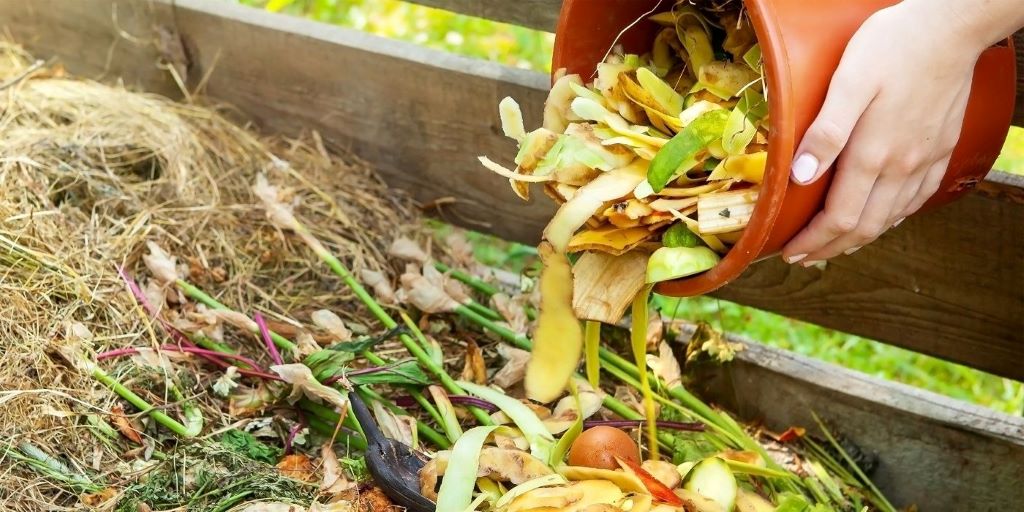
Composting transforms kitchen scraps and yard waste into nutrient-rich soil. According to the U.S. Composting Council, composting diverts over 20 million tons of organic waste from landfills each year. It reduces methane emissions and enhances soil health by improving water retention.
Critics may claim composting is time-consuming or messy. But modern compost bins make the process almost effortless. Start small with a covered backyard bin or countertop system. In just weeks, you’ll have organic matter that feeds your garden while cutting landfill contribution.
Install Smart Irrigation Systems
Traditional sprinklers often overwater or miss their mark. Smart irrigation controllers, however, adjust watering based on weather, soil moisture, and plant needs. Studies by the Irrigation Association show these systems can reduce outdoor water use by up to 50%.
While initial costs may seem high, the long-term savings are undeniable. Homeowners often recoup their investment within a year through lower water bills. Systems like Rachio and RainMachine sync with smartphones, making it easy to manage water efficiently.
Rainwater Harvesting: Nature’s Free Resource
Collecting rainwater is a centuries-old method that still holds immense value. Rain barrels capture roof runoff, which can be reused for irrigation. In many areas, a 1,000-square-foot roof can yield over 600 gallons from a single inch of rain.
Some municipalities restrict rainwater collection, so check local regulations. Where permitted, installing barrels or cisterns is simple and affordable. This practice reduces runoff pollution and lightens the burden on municipal water systems.
Choose Drip Irrigation Over Sprinklers
Drip irrigation delivers water directly to the root zone, minimizing waste. Unlike sprinklers that lose water to wind or evaporation, drip lines operate efficiently—even in hot climates. The USDA reports drip systems use 30–50% less water than conventional methods.
Skeptics worry about installation complexity, but drip kits have become increasingly user-friendly. For smaller gardens, systems can be set up in an afternoon. Drip irrigation ensures that every drop counts, especially during droughts.
Grow Edible Plants and Vertical Gardens
Growing your own food saves trips to the grocery store and reduces packaging waste. Even better, planting vertically maximizes space and reduces soil erosion. Lettuce, strawberries, and herbs thrive in vertical setups, needing less water and fertilizer.
Some argue that vertical gardens are less productive. While they may yield less than traditional beds, their efficiency and sustainability often outweigh volume concerns. They’re ideal for urban gardeners aiming to reduce both waste and water use.
Use Permeable Paths and Organic Fertilizers
Hardscapes like concrete contribute to runoff and water waste. Permeable materials—like gravel, decomposed granite, or recycled rubber—allow rain to soak into the soil. This replenishes groundwater and reduces erosion.
Switching from synthetic to organic fertilizers also supports sustainability. Chemical fertilizers often leach into waterways, harming ecosystems. Organic options feed soil microbes and improve structure, leading to better water retention and healthier plants.
FAQs About Sustainable Gardening Practices to Reduce Waste & Save Water
1. How much water can I save with smart irrigation?
Smart systems can cut water use by up to 50%, depending on your climate and garden size.
2. Are native plants always better for sustainable gardening?
Yes, native plants typically need less water and care. However, you can still use some exotics responsibly.
3. What kind of mulch works best for water retention?
Organic mulch like straw, bark, or compost is most effective at conserving moisture and adding nutrients.
4. Can composting attract pests?
Improperly managed compost can attract pests. Avoid meat and dairy scraps and always keep it covered.
5. Is rainwater safe for edible plants?
Yes, if collected from clean, non-toxic surfaces. Avoid using runoff from roofs treated with chemicals.
6. What’s the best drip irrigation system for beginners?
Starter kits like Raindrip or DIG are affordable, easy to install, and ideal for small gardens.
7. How does vertical gardening reduce waste?
Vertical setups minimize soil erosion, water use, and packaging waste by enabling homegrown produce.
Final Thought
Sustainability starts at home—and the garden is a powerful place to begin. Adopting sustainable gardening practices to reduce waste & save water isn’t just eco-friendly; it’s practical, cost-saving, and deeply rewarding. By embracing techniques like native planting, composting, rainwater harvesting, and smart irrigation, we can cultivate thriving green spaces that respect nature’s limits. The results are tangible: lower utility bills, less waste, and a healthier planet for generations to come.
For further insights, explore EPA’s WaterSense program and the U.S. Composting Council, which offer additional resources on sustainable gardening.
Let your garden be more than a patch of beauty—let it be a bold step toward a better world.
Read More: Natural Fertilizers & Pesticides for an Eco-Friendly Garden
