

As more homeowners seek sustainable living, the demand for natural fertilizers & pesticides for an eco-friendly garden continues to rise. Chemical-laden products are no longer the default. Gardeners now crave natural solutions that enrich soil, repel pests, and preserve biodiversity.
Why Go Natural in the Garden?
The Environmental Protection Agency (EPA) reports that over 1 billion pounds of conventional pesticides are used in the U.S. each year. These chemicals contaminate groundwater, harm pollinators, and lead to pesticide-resistant pests. The damage isn’t just environmental—it affects human health too. A 2023 WHO study linked long-term pesticide exposure to higher risks of neurological disorders and cancers.
Natural methods, however, support the ecosystem. They promote soil health, sustain beneficial insects, and maintain the balance that synthetic products often destroy.
Benefits of Natural Fertilizers
Natural fertilizers provide essential nutrients while enriching soil structure and microbial life. Unlike synthetic fertilizers, they release nutrients slowly, reducing runoff and pollution.
Examples of effective natural fertilizers include:
- Compost: Rich in organic matter and beneficial microbes.
- Manure: Adds nitrogen and organic material, improving soil aeration.
- Bone meal: Supplies phosphorus, critical for root development.
- Fish emulsion: A fast-acting nitrogen source loved by leafy vegetables.
According to the Soil Science Society of America, compost alone can increase soil carbon levels by up to 30% over five years. This boosts water retention and reduces the need for constant watering.
Natural fertilizers also nourish soil biota. Earthworms, fungi, and bacteria thrive, improving nutrient cycling and root penetration. In essence, you’re feeding the soil—not just the plant.
Natural Pesticides That Work
Synthetic pesticides may eliminate pests quickly, but they also kill bees, butterflies, and other garden allies. Natural options, though slower, are safer and sustainable.
Trusted natural pesticides include:
- Neem oil: Derived from the neem tree, it disrupts insect hormones. It’s effective against aphids, whiteflies, and spider mites.
- Garlic spray: Repels a wide range of pests, including ants and beetles.
- Diatomaceous earth: A fine powder that kills insects by dehydrating them.
- Soap sprays: Break down insect membranes and work well against soft-bodied pests.
The National Organic Standards Board lists these substances as safe and effective, provided they are used correctly. Gardeners who apply neem oil weekly report up to 70% fewer pest outbreaks without damaging their plants.
Supporting Beneficial Insects and Birds
One of the best pest control methods is encouraging natural predators. Ladybugs feast on aphids, while birds snack on caterpillars and grubs. Grow plants like dill, fennel, and yarrow to attract ladybugs and lacewings.
Install birdhouses and water sources to keep insect-eating birds in your garden. This natural balance can reduce or eliminate the need for any pesticides at all.
Garden Waste to Garden Gold
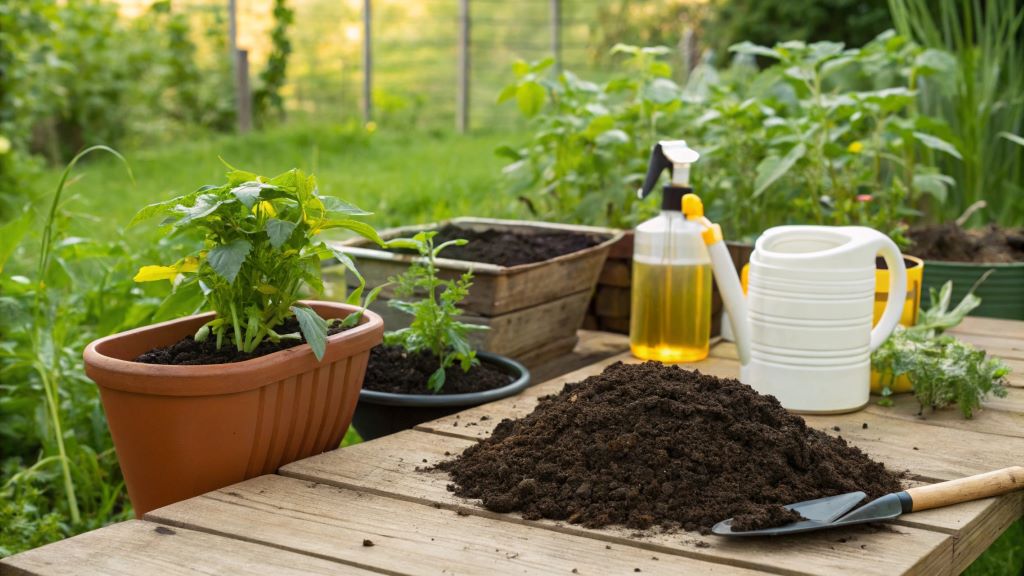
Kitchen scraps, lawn clippings, and fallen leaves can become high-value compost. According to the U.S. Department of Agriculture, composting reduces methane emissions and cuts household waste by up to 30%.
Start a backyard compost pile or use a compost tumbler. Add a mix of green (nitrogen-rich) and brown (carbon-rich) materials. Within weeks, you’ll have nutrient-dense compost perfect for garden beds.
Eco-Friendly Weed Control Strategies
Weeds compete with your plants for nutrients and water. Instead of chemical herbicides, consider:
- Mulching: Smothers weeds and retains soil moisture.
- Boiling water: Kills weeds instantly, great for cracks and walkways.
- Vinegar spray: A powerful desiccant that dehydrates unwanted plants.
Weed control is essential, but keep it targeted. Overuse of vinegar, for example, can lower soil pH. Rotate methods to protect long-term soil health.
Real-Life Example: The Regenerative Backyard
Take the case of Mark and Lily in Oregon. They transformed their 1,500 sq. ft. backyard into a food-producing sanctuary using only natural fertilizers and pest control. Within one year, they reduced grocery bills by 40%, harvested 300 lbs of produce, and saw more bees and butterflies than ever before.
They used composted chicken manure, neem oil, and companion planting to build an ecosystem, not just a garden. Their experience is proof that eco-friendly methods can yield tangible, measurable results.
Transitioning Your Garden: Practical Tips
- Test your soil: Know your starting point. Local extension offices often provide free testing.
- Start small: Convert one bed to all-natural inputs. Monitor changes before scaling up.
- Be consistent: Natural methods take time to show full results.
- Use companion planting: Basil repels tomato hornworms. Marigolds deter nematodes and whiteflies.
Gardeners who follow these practices report better plant health and fewer diseases without harsh chemicals.
Composting at Home: A Beginner’s Guide to Sustainable Gardening
Frequently Asked Questions
- Are natural pesticides really effective?
Yes, especially when used consistently. Neem oil and garlic sprays deter pests without harming beneficial insects. - How often should I apply natural fertilizers?
Every 4–6 weeks during the growing season is ideal. Compost and slow-release options may last longer. - Will compost smell bad?
No, not if balanced correctly. A 3:1 ratio of brown to green material prevents odors and speeds decomposition. - Can I use kitchen waste as fertilizer directly?
Avoid raw scraps in garden beds. Compost them first to avoid pests and ensure full nutrient release. - Is diatomaceous earth safe for pets?
Yes, food-grade versions are safe around animals but always follow package directions. - What’s the best way to attract pollinators?
Plant native wildflowers and avoid broad-spectrum pesticides. Provide water and shelter as well. - How long does it take to see results from natural methods?
Typically within one season. Soil improves over time, leading to better yields each year.
Final Thought
Using natural fertilizers & pesticides for an eco-friendly garden isn’t just a trend—it’s a necessity. Chemical-free gardening supports healthier plants, richer soil, and a thriving ecosystem. You protect your family, your food, and the planet, one compost pile at a time.
Instead of choosing convenience with chemical shortcuts, opt for long-term abundance. The shift may take effort, but the results are worth it: more flavor, less waste, and a garden alive with life.
Read More:
Home Gardening for Beginners: How to Start a Thriving Garden at Home
