

Urban living doesn’t have to mean giving up on greenery. Despite limited outdoor space, you can still create a thriving garden. Whether you have a balcony, rooftop, or small patio, strategic planning can turn any space into a lush, productive oasis. This article explores outdoor gardening tips for modern urban homes with expert insights, data, and creative solutions for city dwellers.
Understand Your Space and Light
Before planting anything, assess your outdoor area’s size, sunlight, and wind exposure. Urban gardens are often subject to microclimates—some balconies receive full sun all day, while others sit mostly in shade. According to the University of Illinois Extension, at least six hours of sunlight daily is ideal for most vegetables and flowering plants.
If your space lacks direct sunlight, opt for shade-loving plants like ferns, hostas, or begonias. Conversely, full-sun balconies can support tomatoes, herbs, and even dwarf fruit trees. Understanding your environment lets you choose the right plants, ensuring growth instead of frustration.
Choose Containers Wisely
In urban gardens, containers are your best friend. They allow mobility, soil control, and flexibility in design. However, not all containers are created equal. Terra cotta pots offer breathability but dry out quickly. Plastic pots retain moisture but may overheat in the sun.
Self-watering containers are excellent for busy homeowners. These systems regulate water intake, reducing the risk of overwatering—a common mistake in container gardening. A 2022 study by the American Society for Horticultural Science found that self-watering planters increased yield by 25% in container vegetables compared to traditional pots.
Vertical Gardening Is a Game-Changer
When square footage is limited, go vertical. Wall-mounted planters, hanging baskets, and trellises allow you to grow upward. This not only maximizes space but also adds a dynamic visual element to your outdoor area.
Climbing plants like peas, beans, and cucumbers thrive with vertical support. Additionally, vertical herb gardens placed near kitchens make cooking with fresh ingredients a breeze. According to a 2021 survey by Garden Design, 42% of urban gardeners used vertical systems to overcome space limitations.
Invest in Quality Soil and Compost
Soil quality is a make-or-break factor in urban gardening. City environments often lack access to rich, loamy soil. Invest in high-quality potting mixes designed for container gardening. Look for blends with perlite, peat moss, and composted bark for optimal drainage and aeration.
Regularly enriching soil with compost adds essential nutrients and beneficial microbes. If space allows, consider a compact compost bin. According to the EPA, organic waste makes up 30% of what we throw away—turn it into garden gold instead.
Efficient Watering Techniques
Urban gardening often means balancing plant care with a hectic lifestyle. Watering can be tricky in raised beds and containers, where moisture evaporates quickly. Drip irrigation systems or soaker hoses are water-efficient and low maintenance.
Additionally, adding mulch on top of your pots retains moisture and suppresses weeds. Opt for organic mulches like coconut coir or shredded bark. According to the National Gardening Association, mulching can reduce water use by up to 50%, especially in container gardens.
Prioritize Edible and Pollinator-Friendly Plants
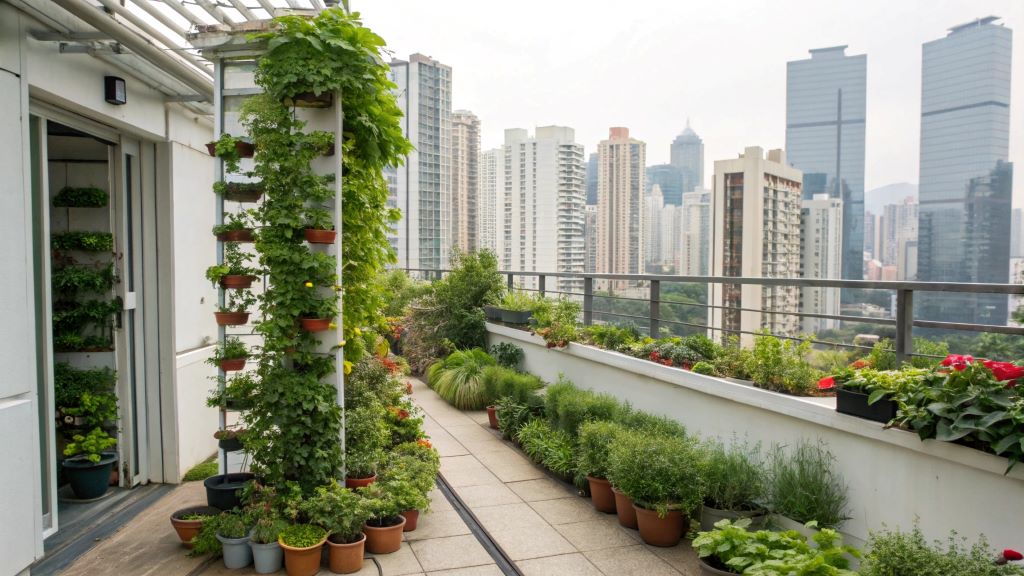
A modern urban garden can be both beautiful and functional. Prioritize plants that serve a purpose—like growing your own food or supporting biodiversity. Compact vegetable varieties such as cherry tomatoes, dwarf peppers, and lettuce mixes do well in containers.
Pollinator-friendly plants like lavender, zinnias, and salvia attract bees and butterflies, boosting garden health. The Xerces Society emphasizes that even small urban gardens can support declining pollinator populations, which are crucial for ecosystem balance.
Incorporate Smart Garden Technology
Smart gardening tools simplify maintenance and optimize plant care. Self-watering pots, moisture sensors, and app-controlled irrigation systems give you full control—even when you’re away. Tools like the Parrot Flower Power sensor monitor soil conditions and send data directly to your smartphone.
For lighting, solar-powered LEDs can extend your gardening time into the evening, especially in shaded courtyards. These technologies blend convenience with sustainability, making gardening more accessible for busy urban homeowners.
Embrace Aesthetic and Function
Gardening in a modern home isn’t just about utility—it’s also about creating a personal sanctuary. Choose a cohesive design style that complements your space. Scandinavian minimalism, boho chic, or tropical lushness can all work, depending on your taste.
Add decorative elements like reclaimed wood planters, artistic trellises, or hanging lanterns. Urban gardening becomes more enjoyable when your space reflects your personality while serving a practical purpose.
FAQs on Outdoor Gardening Tips for Modern Urban Homes
- What are the best vegetables for small-space gardens?
Lettuce, radishes, cherry tomatoes, and bush beans are compact and thrive in containers. - How do I protect my garden from city pollution?
Use vertical screens, strategic plant placement, and hardy varieties that tolerate air pollutants. - Can I grow fruit trees in an urban garden?
Yes, dwarf or espaliered fruit trees like figs and lemons do well in pots on sunny balconies. - How do I deal with pests in a small outdoor space?
Use organic insecticidal soap, encourage beneficial insects, and inspect plants regularly for damage. - What if my outdoor area gets very little sunlight?
Grow shade-tolerant plants like herbs (mint, parsley), ferns, or decorative caladiums. - How often should I water my container plants?
Most containers need daily watering in hot weather but check soil moisture first to avoid overwatering. - Can I garden on a rental balcony?
Absolutely. Use portable containers and vertical solutions that don’t require permanent fixtures.
Final Thought
Outdoor gardening in modern urban homes is more than a trend—it’s a lifestyle transformation. Despite space constraints, anyone can build a flourishing green space with the right approach. Start with assessing your environment, invest in smart tools, and choose versatile plants that fit your goals.
Urban gardening encourages sustainability, boosts mental well-being, and connects you to nature—even in the middle of a concrete jungle. With these practical outdoor gardening tips for modern urban homes, your small space can bloom into a thriving personal oasis.
Read more:
