

Urban gardening is no longer just a trend—it has become a vital movement for sustainable living. As city dwellers face limited space, the question arises: How can one grow more in less space? The answer lies in smart, innovative gardening hacks that maximize every inch. This article explores effective urban gardening hacks backed by data, expert insights, and practical solutions to help you thrive in tight spaces.
The Growing Demand for Urban Gardening
Urban gardening’s popularity has surged by over 30% in the last five years, driven by food security concerns, health awareness, and environmental benefits. According to a report by the National Gardening Association, 43% of U.S. households grow some of their own food. This surge reflects a desire to reconnect with nature and reduce grocery bills, especially in compact city environments where space is a luxury.
However, space constraints remain the biggest challenge. Most urban gardens average less than 200 square feet, which limits traditional gardening methods. This restriction calls for innovative techniques to produce higher yields from smaller footprints.
Vertical Gardening: Growing Up, Not Out
Vertical gardening stands out as a leading hack for urban gardeners. Instead of spreading horizontally, plants climb or hang vertically, utilizing walls, fences, or specially designed structures. This method can increase yield by up to 200% compared to traditional row gardening.
The logic is simple: plants like tomatoes, cucumbers, and peas naturally climb. By installing trellises, vertical planters, or hanging baskets, gardeners multiply the productive area without expanding their footprint. Additionally, vertical gardens improve air circulation, reducing disease risk and often leading to healthier plants.
Experts recommend lightweight materials and modular setups that can be adjusted as plants grow. For instance, a study from the University of Florida highlights that vertical gardens in urban spaces reduce soil-borne diseases by 35%, making this method both space-efficient and sustainable.
Container Gardening: Flexibility Meets Productivity
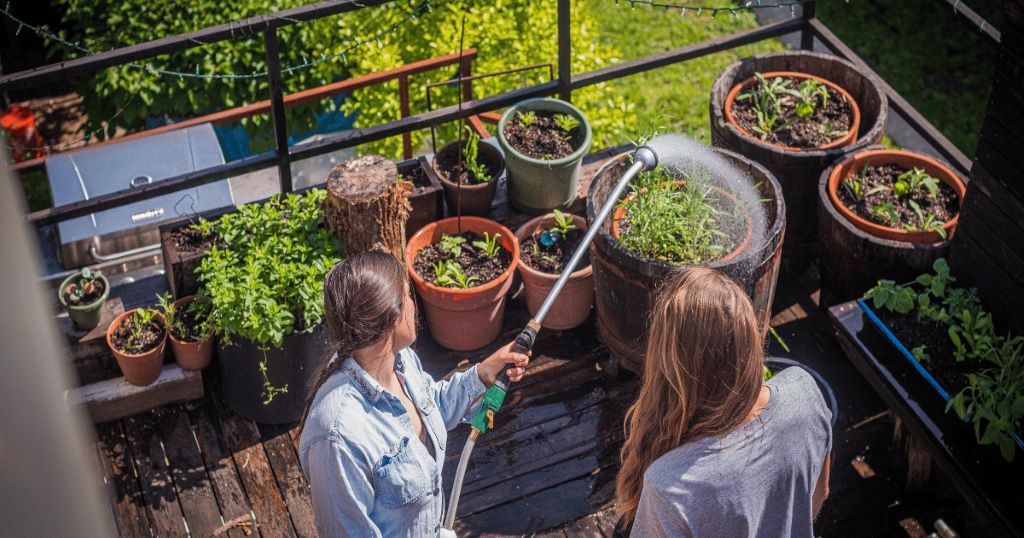
Container gardening is another powerful urban gardening hack. It offers unparalleled flexibility—containers can be placed on balconies, rooftops, or windowsills. They also allow gardeners to control soil quality and water better, optimizing growth conditions.
Moreover, container gardening supports intensive planting techniques. For example, growing companion plants like basil with tomatoes improves yield and pest resistance. Research from Cornell University suggests that container gardens can boost productivity by 25% through careful crop selection and soil management.
However, containers need proper drainage and regular watering to avoid root rot or nutrient deficiencies. Using self-watering pots or incorporating drip irrigation systems can address these issues effectively.
Square Foot Gardening: Precision Planting for Maximum Yield
Square foot gardening (SFG) is a system designed to grow more in less space by dividing the garden bed into 1-foot sections. Each square is planted with different crops, carefully spaced to maximize yield while minimizing wasted space.
This method allows for crop diversity and efficient use of resources. According to Mel Bartholomew, who popularized SFG, gardeners can produce up to 100 times more food per square foot than traditional row gardening.
SFG also simplifies pest management, crop rotation, and soil enrichment. Since plants are grown closely, they create microclimates that can protect delicate seedlings and improve moisture retention, reducing water needs.
Companion Planting: Natural Allies in the Garden
Companion planting is an age-old gardening hack that suits urban settings well. Planting certain crops together can improve growth, repel pests, and enhance flavors. For instance, marigolds deter nematodes, while beans fix nitrogen in the soil, benefiting neighboring vegetables.
This strategy reduces the need for chemical pesticides and fertilizers, which is especially crucial in confined urban spaces where runoff can affect neighbors. According to research published in Agronomy for Sustainable Development, companion planting can increase crop yields by up to 20%.
Urban gardeners can experiment with companion pairs like tomatoes and basil, carrots and onions, or cucumbers and radishes to optimize their small spaces.
Hydroponics and Aquaponics: Soil-Free Solutions
For those looking to push the boundaries, hydroponics and aquaponics offer soil-free, space-saving gardening options. Hydroponics grows plants in nutrient-rich water solutions, while aquaponics combines fish farming with hydroponic plant growth, creating a symbiotic system.
These methods drastically reduce space requirements, water usage, and pest problems. A study by the University of Arizona shows hydroponic systems yield crops up to 30% faster than traditional soil gardens. While initial costs and technical knowledge can be barriers, small-scale kits are increasingly available and affordable for urban gardeners.
Hydroponic towers and aquaponic systems fit balconies, rooftops, and even indoors with grow lights, making them ideal for those with no outdoor space.
Smart Watering and Soil Management
Water is precious in urban areas, so efficient irrigation is essential. Drip irrigation systems deliver water directly to plant roots, reducing waste by up to 50%. Mulching also conserves moisture and suppresses weeds, which compete for limited nutrients.
Healthy soil is the backbone of a productive garden. Composting kitchen scraps and using organic fertilizers improve soil fertility without harmful chemicals. In urban settings, raised beds filled with nutrient-rich soil offer better drainage and root growth, outperforming poor native soils.
Community Gardens and Shared Spaces
Urban gardening isn’t limited to personal balconies or rooftops. Community gardens transform underused urban lots into green oases. These spaces encourage social interaction, share resources, and increase total growing space in a neighborhood.
Studies reveal that community gardens improve mental health, promote biodiversity, and boost local food access. According to the American Community Gardening Association, there are over 18,000 community gardens in the U.S. alone, proving their popularity and success.
Joining a community garden can be a great way for beginners to learn hacks, exchange tips, and experiment with different techniques.
Final Thoughts: Growing More in Less Space is Possible
Urban gardening hacks like vertical gardening, container growing, square foot gardening, companion planting, and hydroponics empower city dwellers to overcome space limits. These methods combine innovation, sustainability, and practicality.
The key lies in experimenting with multiple approaches, adapting to your unique space, and maintaining healthy soil and water management. The data and expert opinions clearly show that smart urban gardeners can enjoy bountiful harvests even in tiny spaces.
For more detailed guides, consider resources such as The Old Farmer’s Almanac and University of California Agriculture and Natural Resources. These offer tested, science-backed advice tailored to urban conditions.
Featured Snippet:
What are the best urban gardening hacks to grow more in less space?
Urban gardening hacks include vertical gardening, container planting, and square foot gardening. Vertical gardens maximize limited horizontal space by growing plants upward, increasing yields by up to 200%. Container gardens allow flexibility on balconies or rooftops and improve soil control. Square foot gardening divides beds into small, efficient planting sections, significantly boosting productivity. Additionally, companion planting and hydroponics optimize growth and resource use. Smart watering techniques like drip irrigation reduce water waste, making these combined strategies essential for thriving in tight urban spaces. Experts agree these hacks are practical and cost-effective for maximizing small gardens.
Frequently Asked Questions (FAQs)
- Can I start an urban garden if I only have a small balcony?
Absolutely. Using vertical planters, containers, and compact growing systems like hydroponics can transform even tiny balconies into productive gardens. - How do I choose the best plants for a small urban garden?
Select plants suited to your climate, space, and sunlight availability. Focus on compact or dwarf varieties and those that grow vertically or quickly. - What soil is best for container gardening?
Use high-quality potting mix designed for containers, which drains well and retains nutrients. Avoid using garden soil that compacts easily. - How often should I water urban garden plants?
Watering frequency depends on plant type and weather. Containers often need daily watering, while raised beds retain moisture longer. Use drip irrigation for efficiency. - Is hydroponic gardening expensive to set up?
Initial costs vary. Small DIY kits can be affordable, while commercial systems are pricier. However, faster growth and higher yields often justify the investment. - Can companion planting really improve yields?
Yes, companion planting can boost yields by enhancing nutrient uptake and pest resistance, supported by scientific studies. - Are community gardens a good option for urban gardeners?
Definitely. They offer shared resources, expert advice, and social benefits, especially if you lack private outdoor space.
This comprehensive guide equips you with proven urban gardening hacks to grow more in less space. Whether you’re a beginner or seasoned gardener, these strategies will maximize your city garden’s potential and bring fresh, homegrown produce to your table.
Read More: How to Start an Organic Garden: A Complete Beginner’s Guide
