

Autumn marks a pivotal moment in the gardening calendar. While most gardeners focus heavily on spring and summer, savvy growers know the real secret lies in fall garden prep. As temperatures cool and leaves begin to fall, it’s the perfect time to create a plan that not only protects your plants but sets your garden up for long-term success.
Why Fall Garden Prep Matters
According to the National Gardening Association, over 35% of gardeners reported higher yields in spring after applying fall preparation techniques. Fall garden prep isn’t just about tidying up—it’s about enriching your soil, protecting your perennials, and ensuring disease and pest control well into the next season.
Unlike the rush of spring, autumn gives gardeners breathing room. Cooler temperatures reduce plant stress, and the soil remains warm enough for roots to grow. This balance creates optimal conditions for important foundational work.
Clear Out the Debris—But Strategically
Start by removing spent annuals, dead foliage, and diseased plants. Leftover organic material can harbor pests and fungal spores. According to the University of Minnesota Extension, diseases like powdery mildew and rust often overwinter in garden debris.
However, don’t go overboard. Leave healthy perennials and seed heads for birds and beneficial insects. This small step supports biodiversity and maintains a healthy micro-ecosystem in your garden through winter.
Soil Health: The Backbone of Fall Garden Prep
One of the most overlooked aspects of fall garden prep is soil revitalization. A study published by HortTechnology found that fall soil amendments improved nutrient retention and reduced erosion.
Apply organic compost or well-rotted manure to replenish nutrients. Additionally, consider sowing a cover crop like clover or winter rye. Cover crops suppress weeds, prevent erosion, and fix nitrogen into the soil. They’re like a winter blanket that doubles as a multivitamin for your garden.
Mulching: More Than Just Looks
Mulch plays a critical role in year-round gardening. A 2- to 4-inch layer of mulch insulates plant roots, retains moisture, and prevents frost heaving. The USDA Natural Resources Conservation Service supports fall mulching to reduce compaction and suppress winter weeds.
Use organic materials like shredded leaves, straw, or bark mulch. These break down over time and add organic matter to your soil. Avoid piling mulch against plant stems to prevent rot and disease.
Prune with Purpose
While pruning can stimulate new growth, timing is everything. Fall is ideal for cutting back certain perennials, dead branches, and diseased limbs. However, hold off on heavy pruning of shrubs like lilacs or hydrangeas, which set buds for the next year during late summer.
Prune fruit trees once they’ve gone dormant. This reduces stress on the plant and makes it easier to see branch structure. A well-pruned tree is less prone to winter damage and produces better yields in spring.
Think Ahead: Bulbs and Perennials
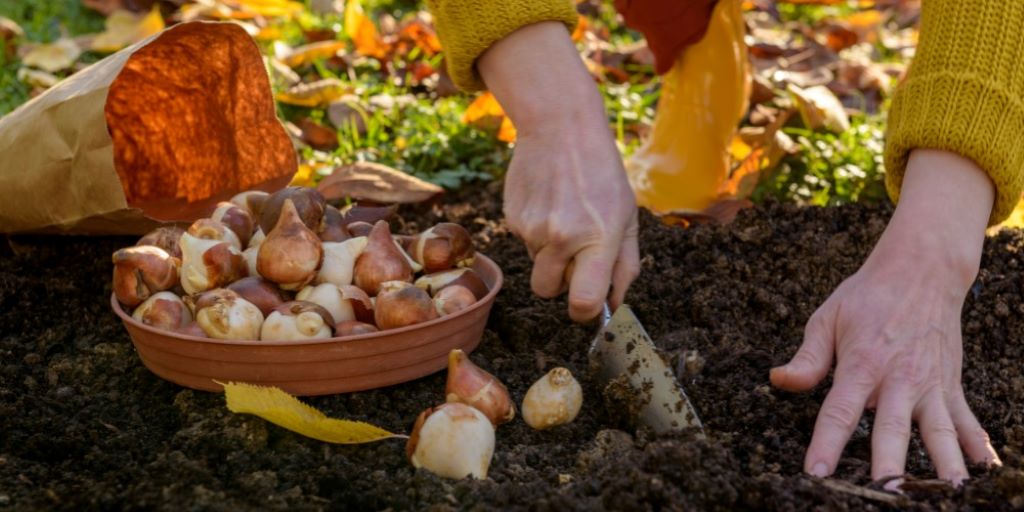
Fall is prime time to plant spring-blooming bulbs like tulips, daffodils, and crocuses. These flowers need the chill of winter to spark spring growth. Dig holes two to three times as deep as the bulb height and add a touch of bone meal for root development.
Additionally, divide and transplant overcrowded perennials. Doing so not only prevents disease but invigorates plants with new room to grow. Popular perennials like daylilies, hostas, and irises benefit from this process.
Pest and Disease Control Before Winter
Fall is a critical time to manage pests and diseases that may overwinter. Remove fallen fruit, clean garden tools, and consider crop rotation if you grow vegetables. According to the University of California Agriculture and Natural Resources, rotating crops each year significantly reduces soil-borne diseases and pests.
Use dormant oil sprays on fruit trees and roses to smother overwintering insect eggs. Introduce beneficial nematodes into your soil to naturally control grubs and larvae.
Garden Tools and Equipment Maintenance
Neglecting your tools can shorten their lifespan. Wash, sharpen, and oil your pruners, shovels, and shears. Store hoses and watering systems indoors to prevent freezing. A well-maintained toolset makes spring gardening easier and more efficient.
Indoor Gardening and Planning Ahead
As outdoor tasks wind down, shift your focus indoors. Start a small herb garden in a sunny windowsill. This keeps your green thumb active and adds fresh flavor to winter meals.
Use the downtime to plan next year’s layout. Reflect on what worked and what didn’t. Create a crop rotation plan, research new plant varieties, or browse seed catalogs. Strategic planning ensures a productive year ahead.
FAQs
1. Can I plant anything in fall besides bulbs?
Yes. Cool-season vegetables like spinach, garlic, and kale thrive in fall and even into early winter in mild climates.
2. How do I know which perennials to cut back in fall?
Cut back those with signs of disease or that die completely after frost. Leave ornamental grasses and plants that offer winter interest or feed wildlife.
3. Is it too late to fertilize in the fall?
Late fall is ideal for applying slow-release fertilizers, especially for lawns and perennials. Avoid high nitrogen levels to prevent late growth.
4. What is the best mulch to use in fall?
Organic mulches like shredded leaves, straw, or wood chips provide insulation and improve soil health over time.
5. Should I water my garden in fall?
Yes, until the ground freezes. Plants need moisture going into winter to avoid root damage.
6. Can fall-prepped gardens handle harsh winters?
Absolutely. With proper mulching, soil improvement, and pruning, gardens can better withstand freezing temperatures and heavy snow.
7. How do I store bulbs I can’t plant right away?
Keep them in a cool, dark, and dry place with good air circulation. Avoid plastic bags to prevent rot.
Final Thought
Fall garden prep isn’t merely a seasonal chore—it’s a strategic investment in your garden’s future. From improving soil health to protecting delicate perennials, every action taken now pays dividends in the months ahead. These expert tips will ensure your garden not only survives winter but emerges stronger, more vibrant, and more productive year-round.
Fall Garden Prep: Tips to Keep Your Garden Thriving Year-Round is not just good advice—it’s the master key to sustainable, all-season gardening.
Read More: Seasonal Gardening Calendar: Month-by-Month Planting Guide
