

Imagine stepping into your backyard to a symphony of buzzing bees, fluttering butterflies, and darting hummingbirds. Pollinators bring life to gardens, ensuring vibrant blooms and bountiful harvests. In Canada, where pollinator populations face threats from habitat loss and climate change, creating pollinator-friendly gardens is a powerful way to support biodiversity. Statistics Canada reports honey bee populations are at their highest in over a decade, yet challenges like pesticides and inadequate nutrition persist. This article unveils practical, expert-backed steps to transform your garden into a thriving haven for pollinators, tailored to Canada’s unique climate and ecosystems. Let’s dive into how you can boost your garden’s buzz and make a lasting impact.
Why Pollinators Matter in Canada
Pollinators, including bees, butterflies, moths, and hummingbirds, are the backbone of Canada’s ecosystems and food supply. They pollinate roughly 75% of global food crops, contributing to one in every three bites of food we eat. In Canada, pollinators support crops like blueberries, canola, and apples, driving billions in agricultural revenue annually. However, the David Suzuki Foundation notes that habitat loss and pesticide use have caused declines in species like the western bumblebee. Creating pollinator-friendly gardens counters these threats by providing food and shelter. Critics argue that urban gardens have minimal impact compared to large-scale conservation, but even small patches collectively create vital corridors for migratory species like monarch butterflies. Every garden counts in this ecological puzzle.
Choose Native Plants for Maximum Impact
Native plants are the cornerstone of pollinator-friendly gardens in Canada. They’ve evolved alongside local pollinators, offering tailored nectar and pollen. For example, milkweed is essential for monarch caterpillars, while purple coneflower attracts bees. The Xerces Society states native plants are four times more likely to attract native bees than non-natives. Opt for species like wild bergamot, black-eyed Susan, or serviceberry, suited to Canada’s diverse regions. Non-native plants like lavender can supplement, but they often lack the nutritional value pollinators need. Some gardeners prefer exotic flowers for aesthetics, yet native plants require less maintenance and water, saving time and resources. Check local nurseries or Network of Nature for native plant sources. Planting in clumps enhances visibility, making it easier for pollinators to find your garden.
Plan for Year-Round Blooms
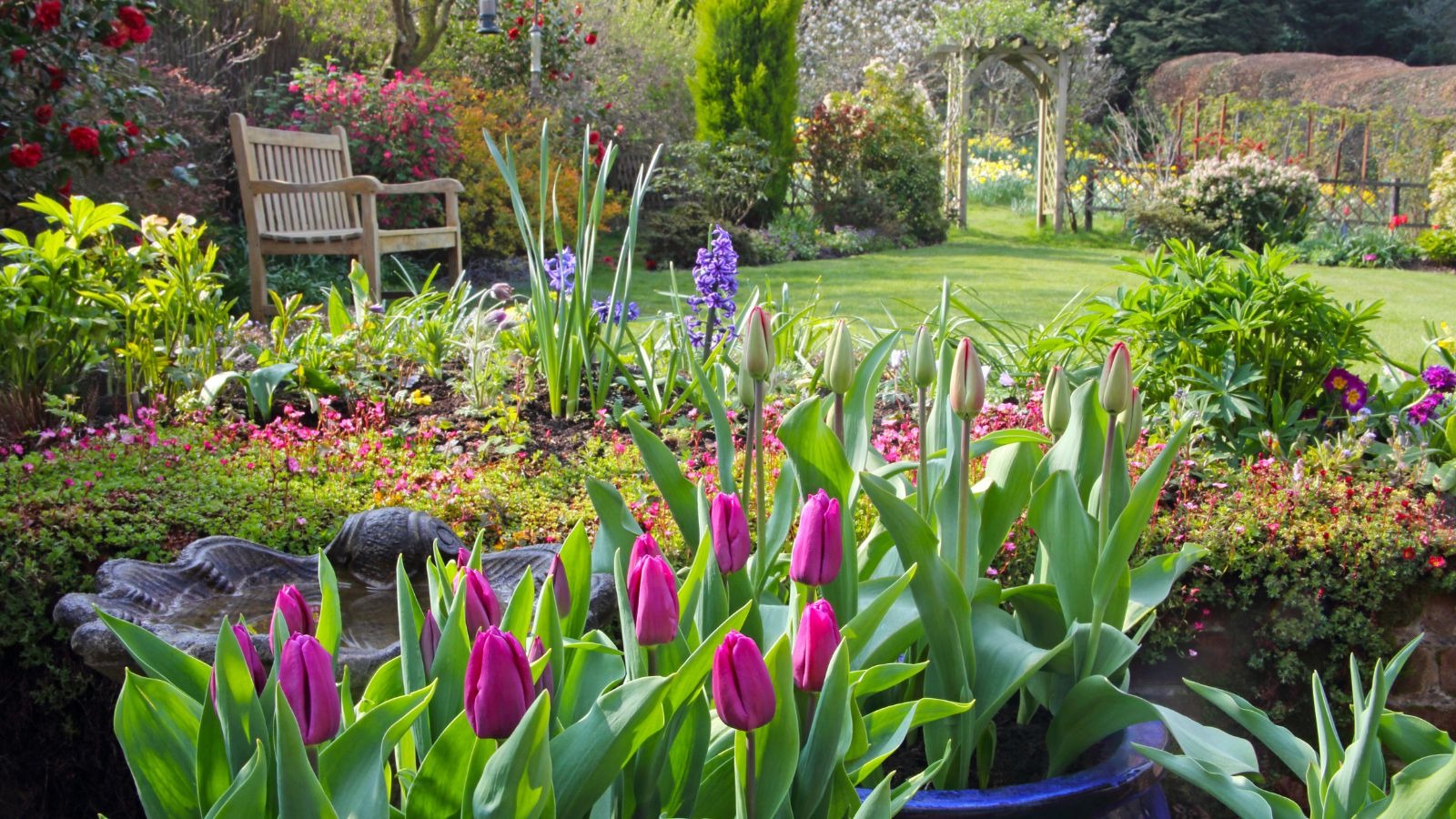
A pollinator-friendly garden thrives on continuous blooms from spring to fall. Early bloomers like crocus and columbine feed bees emerging in April, while late-season plants like goldenrod sustain them into October. The U.S. Fish and Wildlife Service recommends having at least three blooming plants per season to ensure a steady food supply. In Canada’s short growing season, this requires strategic planning. For instance, in Ontario, combine spring-blooming wild columbine with summer asters and fall sedums. Some argue annuals offer quicker blooms, but perennials provide long-term stability. Mix both for balance. Deadheading spent flowers extends bloom times, maximizing nectar availability. Avoid double-flowered hybrids, as they often produce less accessible nectar, frustrating pollinators. A diverse bloom schedule keeps your garden buzzing all season.
Create Safe Nesting and Shelter Spaces
Pollinators need more than food—they require safe places to nest and overwinter. About 70% of Canada’s native bees, including bumblebees, nest in the ground, preferring bare, sandy soil. Leaving patches of bare ground or rock piles supports these species, as does avoiding heavy mulch, which can block access. Cavity-nesting bees use hollow stems or dead wood, so keep some plant stems standing over winter. The Xerces Society suggests drilling holes in old logs for bee habitats. Critics claim untidy gardens detract from curb appeal, but strategic placement of wild areas maintains aesthetics. For butterflies, host plants like milkweed or parsley are crucial for caterpillars. Adding a brush pile or leaving leaf litter provides overwintering spots, ensuring pollinators thrive year-round in your garden.
Provide Water Sources Thoughtfully
Water is vital for pollinators, especially in Canada’s hot summers. Bees use water to regulate hive temperatures, while butterflies “puddle” to extract minerals. A shallow birdbath with pebbles or a dripping bottle offers safe drinking spots without drowning risks. Canadian Living advises changing water daily to prevent mosquito breeding, a concern in humid regions like southern Ontario. Some gardeners overlook water sources, focusing solely on plants, but hydration is critical for pollinator health. Place water near blooming plants for easy access. Avoid deep containers, as pollinators can’t swim. A simple dish with marbles works well, blending functionality with garden charm. This small addition significantly boosts your garden’s appeal to pollinators.
Eliminate Pesticides for Pollinator Safety
Pesticides, including insecticides and herbicides, are a major threat to pollinators. Neonicotinoids, linked to honeybee declines, can linger in soil, harming beneficial insects. The David Suzuki Foundation advocates for natural pest control, like companion planting with marigolds or encouraging predators like ladybugs. Some gardeners argue pesticides are necessary for pest-heavy crops, but integrated pest management (IPM) offers a safer alternative. IPM involves monitoring pests and using organic solutions like neem oil only when needed. Apply treatments at dusk when pollinators are less active to minimize harm. Choosing pest-resistant native plants reduces the need for chemicals altogether. A pesticide-free garden fosters a healthy ecosystem, letting pollinators thrive without risk.
Incorporate Diverse Flower Shapes and Colors
Pollinators have varied feeding preferences, so diversity in flower shapes and colors is key. Bees favor blue, purple, and yellow flowers like lupines, while hummingbirds gravitate toward red, tubular blooms like cardinal flower. Moths, active at night, prefer white, fragrant flowers like evening primrose. The Old Farmer’s Almanac suggests planting in swaths to make flowers more visible from above. Some gardeners prioritize single-color schemes for aesthetics, but this limits pollinator diversity. Mixing open, flat flowers (e.g., daisies) with tubular ones (e.g., foxgloves) caters to different mouthparts. This approach ensures your garden attracts a wide range of pollinators, enhancing biodiversity and visual appeal.
Engage Your Community for Greater Impact
Building a pollinator-friendly garden extends beyond your backyard—community involvement amplifies the impact. Share native plant seedlings through programs like the David Suzuki Foundation’s Seed Sitters. Host garden tours to inspire neighbors, as collective efforts create larger pollinator corridors. Critics argue individual gardens can’t reverse widespread habitat loss, but interconnected urban gardens form vital habitats, especially in new subdivisions. Joining initiatives like Bee City Canada connects you with resources and local nurseries. Educating others about pollinator declines fosters a culture of conservation. Your garden becomes a catalyst for community action, multiplying its ecological benefits.
Maintain Your Garden with Pollinators in Mind
Regular maintenance keeps your pollinator-friendly garden thriving. Water at dawn or dusk to avoid disturbing active pollinators. Use compost to enrich soil without chemical fertilizers, which can promote weed growth. Hand-pull weeds to avoid herbicides, preserving nectar-rich plants like clover. Leave some areas “wild” with leaf litter or standing stems for overwintering pollinators. Some gardeners prefer manicured lawns, but reducing lawn size with native groundcovers like clover saves water and supports bees. Patience is key—milkweed may take seasons to bloom, but its value to monarchs is unmatched. Consistent care ensures your garden remains a pollinator paradise year after year.
Featured Snippet: What Are the Best Plants for a Pollinator-Friendly Garden in Canada?
To create a pollinator-friendly garden in Canada, choose native plants that provide nectar and pollen across seasons. Milkweed (Asclepias spp.) supports monarch butterflies, while wild bergamot (Monarda fistulosa) attracts bees. Purple coneflower (Echinacea purpurea) and black-eyed Susan (Rudbeckia hirta) offer long-lasting blooms. Serviceberry (Amelanchier spp.) provides early spring nectar. Plant in clumps for visibility and ensure blooms from spring (e.g., columbine) to fall (e.g., goldenrod). Avoid hybrids with low nectar. These plants, adapted to Canada’s climate, support diverse pollinators like bees, butterflies, and hummingbirds, boosting your garden’s buzz.
FAQs About Pollinator-Friendly Gardens in Canada
What are pollinator-friendly gardens?
Gardens designed with native plants, water sources, and pesticide-free practices to attract and support pollinators like bees and butterflies.
Why are native plants better for pollinators?
Native plants evolved with local pollinators, offering ideal nectar and pollen, and require less maintenance than non-natives.
Can I create a pollinator garden in a small space?
Yes, use containers with native flowers like coneflowers or grow vertical gardens with vines like honeysuckle on balconies.
How do I avoid harming pollinators with pesticides?
Use organic pest control like neem oil, apply at dusk, and encourage natural predators like ladybugs.
What water sources are best for pollinators?
Shallow dishes with pebbles or dripping bottles provide safe hydration without drowning risks for bees and butterflies.
How long does it take for a pollinator garden to attract visitors?
With mature plants, pollinators may arrive within weeks, but seed-grown gardens may take one to two seasons.
How can I involve my community in pollinator gardening?
Share seedlings, join programs like Bee City Canada, or host garden tours to inspire collective conservation efforts.
Final Thought
Creating a pollinator-friendly garden in Canada is a rewarding way to support biodiversity and enhance your outdoor space. By choosing native plants, providing water, and avoiding pesticides, you create a sanctuary for bees, butterflies, and hummingbirds. Every small action counts, from planting a single milkweed to transforming your lawn into a wildflower meadow. Start today and watch your garden come alive with nature’s buzz.
Call to Action: Plant one native flower this weekend or join a local pollinator initiative. Share your garden’s progress on social media with #PollinatorGardenCanada to inspire others!
Related Topic: Climate-Smart Gardening Hacks Every US Gardener
References:
- David Suzuki Foundation
- Bee City Canada
- Top-performing articles: CBC News (Tips for making your garden a pollinator haven), Xerces Society (How to Make a Pollinator Garden).
