

The best place for a Bugbane 2 Fly Trap is about 20 feet away from your home, near active fly traffic. Choose a shaded, breezy location away from doors, seating areas, and outdoor food. A properly positioned trap can begin attracting flies within roughly 30 minutes after activation. Its bait uses fish, egg, and bran, creating a strong food-based lure for nuisance flies. If you are comparing the trap before installation, this Bugbane 2 Fly Trap review provides useful product context. However, placement ultimately determines whether the trap removes flies efficiently or simply attracts them near your living space.
Key Takeaways
- Hang the trap approximately 20 feet away from your home.
- Keep it away from doors, windows, patios, and outdoor dining areas.
- Place it near existing fly activity rather than randomly across your yard.
- Use shade during hot weather to protect bait performance and reduce odor.
- Position traps where natural airflow carries the lure toward fly activity.
- Use two traps strategically when different areas show heavy fly pressure.
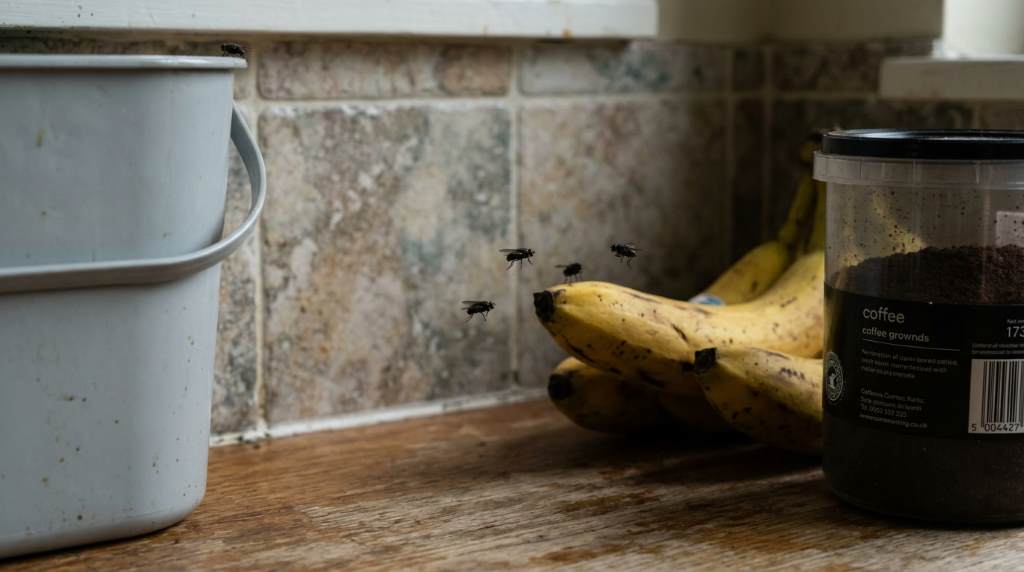
Why Placement Matters More Than Most People Expect
A fly trap works by exploiting insect behavior rather than simply occupying outdoor space. Therefore, placement determines whether flies encounter the lure before reaching your patio or home.
Many homeowners make one costly mistake: they hang the trap beside the area they want protected. That approach can concentrate flies near doors, seating, food, and frequently used walkways.
Instead, treat the trap as a diversion point. You want flies moving toward the bait while remaining comfortably distant from people and pets.
The ideal location combines distance, airflow, fly activity, accessibility, and environmental stability. When those factors align, the trap becomes part of your overall pest-control strategy.
The Best Location for a Bugbane 2 Fly Trap
Start approximately 20 feet away from your house, patio, deck, or other primary living space. Then identify where flies naturally gather and move the trap toward that activity.
Good locations often include the outer edge of a yard, garden perimeter, detached garage, barn area, or waste-management zone. These locations intercept flies before they reach high-use areas.
However, avoid placing the trap directly beside garbage cans if people frequently walk there. A slightly offset position can attract flies without creating an unpleasant odor problem.
Use Existing Fly Traffic as Your Guide
Watch your yard before choosing the final hanging point. Flies commonly gather around food waste, animal areas, compost, pet waste, standing organic material, and outdoor trash.
Once you identify repeated activity, place the trap along the edge of that zone. This approach gives the lure a realistic chance to intercept flies naturally.
Also observe where flies disappear after approaching your property. Their movement can reveal breeding or feeding sources that require separate sanitation measures.
Keep the Trap Away From Doors and Windows
Never place a fly attractant directly beside an entrance or frequently opened window. Doing so can encourage flies to gather exactly where you do not want them.
Maintain meaningful separation from exterior doors, garage entrances, screened porches, and unscreened windows. This becomes especially important when wind carries odors toward the house.
For the same reason, avoid placing the trap beside outdoor kitchens or dining tables. The bait should attract flies away from human activity, not toward it.
Choose the Right Height
Hang the trap high enough to reduce accidental contact from children, pets, wildlife, and lawn equipment. A stable hanging point also helps prevent tipping or swinging.
A sturdy branch, fence structure, post, or suitable overhead support can work well. Choose a location that keeps the trap secure during normal outdoor conditions.
Avoid weak branches and unstable hooks that could drop the filled trap. A spill can create unnecessary odor, mess, and additional fly attraction.
Prioritize Stability Over Convenience
The trap becomes heavier and more vulnerable as bait accumulates flies and liquid. Therefore, the support should handle the fully loaded trap rather than its empty weight.
Check the hanging point periodically, particularly after storms or strong winds. Replace questionable supports before they create a preventable cleanup problem.
Shade or Sun: Which Is Better?
Temperature can influence bait performance, odor, and the overall experience around the trap. In hot weather, partial shade generally makes the placement more practical.
Choose a location protected from intense afternoon sunlight whenever possible. However, avoid completely enclosed spaces where airflow becomes stagnant.
During cooler conditions, moderate sunlight may not create the same concern. Still, prioritize fly activity and airflow over sunlight alone.
The goal is not to find the darkest location. Instead, create a stable environment where flies can detect the lure without placing the trap beside people.
Pay Attention to Wind Direction
Air movement can strongly influence how effectively flies encounter an attractant. Before hanging the trap, observe the prevailing breeze around your property.
Ideally, position the trap so airflow helps carry its lure toward areas where flies already travel. Avoid placing it directly upwind of your patio when possible.
Wind direction changes throughout the day, so watch conditions during peak fly activity. A location that works at breakfast may perform differently during afternoon heat.
A Simple Wind Test
Stand near your proposed trap location and observe lightweight vegetation, leaves, or nearby hanging objects. Their movement provides a quick indication of local airflow.
Then imagine the odor traveling from the trap toward your living area. If that path crosses your seating space, choose another position.
This simple check can prevent one of the biggest placement complaints: an effective trap that becomes unpleasant to live near.
Where to Place Two Traps for Better Coverage
Two traps should not automatically sit beside each other. Separate them according to where your property experiences distinct fly activity.
For example, one trap can target flies near a detached garage while another handles activity near the yard perimeter. This creates multiple interception points without concentrating flies in one location.
Large properties benefit particularly from this approach. Separate activity zones often require separate attractant points rather than one overloaded trap.
Use a Source-to-Home Strategy
Think of your property as a movement path rather than a single fly-control area. Identify likely sources first, then identify the spaces flies enter afterward.
Place traps between those source areas and your living spaces. Keep sufficient distance from people while positioning each trap close enough to intercept traffic.
This strategy works better than placing both traps beside the house. It uses the traps as defensive barriers around your most important outdoor spaces.
Best Placement by Outdoor Area
| Outdoor Area | Recommended Placement | Placement Priority |
|---|---|---|
| Patio | Outer yard edge, away from seating | High |
| Garden | Perimeter near visible fly activity | High |
| Garage | Outside the structure near fly traffic | Medium |
| Trash area | Offset from bins and walking paths | High |
| Barn | Near fly activity but away from routine handling areas | High |
| Pool area | Far edge of the property, away from swimmers | Medium |
Locations You Should Avoid
Some locations appear convenient but can undermine the entire purpose of outdoor fly control. Avoid areas where people spend extended periods or where flies could easily move indoors.
- Directly beside exterior doors
- Immediately outside open windows
- Beside outdoor dining tables
- Next to pool seating
- Near children’s play equipment
- Where pets can knock it down
- Under unstable branches
- Inside enclosed sheds with poor airflow
- Beside heavily used walkways
- Directly beside food preparation areas
These restrictions do not mean those areas lack flies. Instead, they indicate that the trap should intercept flies before they reach those high-use spaces.
Placement Near Trash, Compost, and Organic Waste
Trash and organic waste can create powerful fly activity zones around residential properties. Therefore, these areas deserve special attention when selecting a trap location.
Do not place the trap directly on a garbage container or beside a frequently used trash path. Instead, position it nearby while maintaining separation from household traffic.
Also address the source itself by keeping waste containers closed and cleaning residue regularly. A trap can reduce adult flies, but sanitation limits the conditions supporting continued activity.
Placement Around Pets and Livestock
Animal areas can produce substantial fly pressure because organic waste provides attractive feeding and breeding conditions. A trap can help intercept adult flies around these locations.
Position the trap outside routine animal movement paths. Keep it secure and inaccessible to animals that might chew, knock, or otherwise disturb it.
For barns and larger properties, place traps around the perimeter rather than inside crowded working spaces. This approach reduces fly pressure without interfering with normal animal care.
How to Activate the Trap Before Hanging It
Correct placement cannot compensate for poor setup. Follow the product instructions carefully when adding water and activating the bait.
Use the recommended water amount rather than improvising the fill level. Proper activation helps create the intended lure without unnecessarily weakening or concentrating the bait.
Prepare the trap before moving it to its final location when possible. This reduces handling and makes it easier to select the correct hanging position.
Give the Trap Room to Work
Do not hide the trap behind dense vegetation or solid structures. Flies need reasonable access to the opening and surrounding attractant cues.
At the same time, avoid placing it in an exposed location where branches constantly strike the container. The best position balances visibility, access, airflow, and stability.
How to Tell Whether Your Placement Works
Effective placement should produce increasing fly activity around the trap rather than around your patio. Monitor the trap and surrounding area during the first several days.
Look for flies approaching the trap repeatedly and accumulating inside. Also check whether fewer flies remain around doors, seating areas, trash zones, or other previous hotspots.
If the trap attracts flies but your patio remains busy, reconsider the position. The trap may need relocation closer to the source or farther from your living area.
When to Move the Trap
Relocate the trap if wind repeatedly carries its odor toward occupied spaces. Also move it when flies consistently gather somewhere else on the property.
Do not move it every few hours based on individual fly sightings. Give each placement enough time to reveal a meaningful pattern before changing strategy.
Troubleshooting Poor Fly Trap Performance
Sometimes the problem involves placement rather than the trap itself. Use these checks before assuming the bait or trap has failed.
- Few flies: Move closer to an established fly activity zone.
- Flies near the house: Move the trap farther outward.
- Strong odor near seating: Change wind direction or increase separation.
- Trap gets knocked down: Improve the support and hanging height.
- Activity changes daily: Reassess airflow and changing fly sources.
- Heavy fly pressure: Use both traps across separate activity zones.
These adjustments turn placement into a measurable process rather than guesswork. Observe, adjust, and evaluate the results before making another change.
Combine Trap Placement With Source Control
A fly trap works best when you also remove conditions that attract and support flies. Keep garbage sealed, clean spills quickly, and remove animal waste regularly.
Inspect compost areas, drains, pet areas, and outdoor food zones for recurring organic buildup. Eliminating those sources reduces the pressure placed on the trap.
Think of trapping as population reduction rather than complete source elimination. Strong results usually come from combining interception with sanitation and sensible property management.
A Practical Placement Checklist
Before leaving the trap in place, walk through this quick checklist. It takes only a few minutes but can prevent common placement mistakes.
- Is the trap roughly 20 feet from your home or primary living area?
- Does it sit away from doors, windows, and outdoor dining?
- Have you identified actual fly activity nearby?
- Does the location receive reasonable airflow?
- Can the support hold the filled trap securely?
- Can children and pets avoid contacting it?
- Does the wind carry odor away from occupied spaces?
- Have you addressed nearby garbage or organic waste?
If you can answer yes to most questions, the location is likely suitable. If several answers are no, improve the position before judging performance.
Final Recommendation
Place your Bugbane 2 Fly Trap about 20 feet from the house, near genuine fly activity, and away from occupied spaces. Prioritize airflow, shade, stability, and separation from doors, windows, food, children, and pets.
Most importantly, use the trap as part of a broader fly-control plan. Choose a strategic location, monitor results, remove attractants, and relocate the trap when conditions change.
Ready to reduce outdoor fly activity? Set up the trap in a carefully selected perimeter location today, then evaluate fly movement over the next several days.
Frequently Asked Questions
How far should a Bugbane 2 Fly Trap be from the house?
Place it approximately 20 feet away from your home and primary outdoor living areas.
Can I hang the trap beside my patio?
No, place it farther away so the attractant draws flies away from your seating area.
Should the Bugbane trap stay in direct sunlight?
Partial shade generally works better during hot weather, while reasonable airflow remains important.
Where should I place two Bugbane traps?
Separate them across distinct fly activity zones instead of placing both traps together.
Why should I avoid placing the trap near a door?
The attractant can draw flies toward an entrance, increasing the chance of flies reaching your home.
