

Keeping a lawn or garden weed free requires time, effort, and the right equipment. According to gardening industry reports, homeowners spend over 70 hours annually maintaining their landscapes. Additionally, surveys show that nearly 60% of gardeners prefer manual weed removal methods over chemical herbicides. Learning stand up weed puller tool techniques can help reduce physical strain while improving weed removal efficiency. This practical guide explains exactly how to use this gardening tool effectively throughout the USA.
What Is a Stand Up Weed Puller Tool?
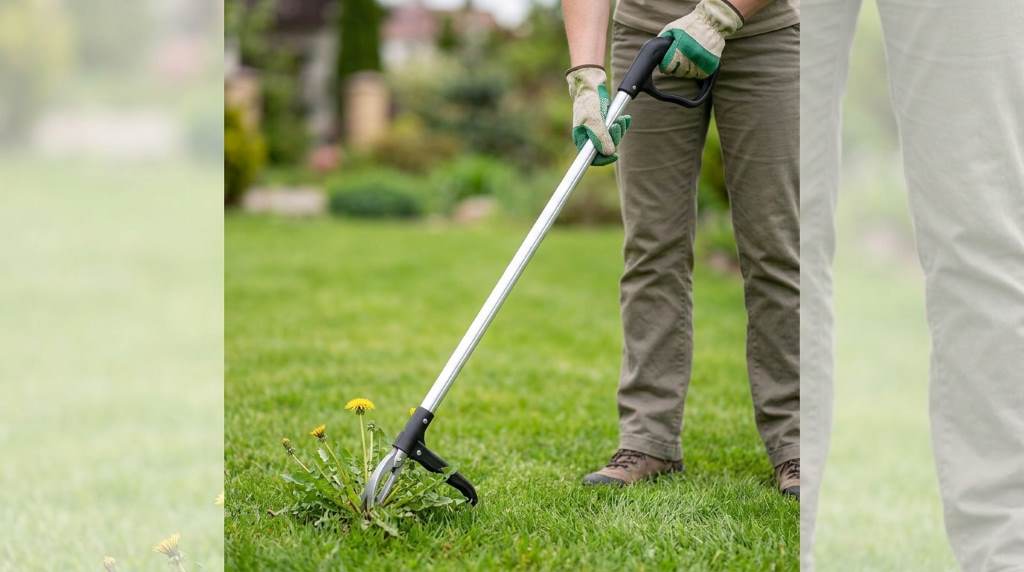
A stand up weed puller tool is a manual gardening device designed to remove weeds from their roots. It allows gardeners to work while standing upright. This design significantly reduces bending and back strain.
Most stand up weed pullers use metal claws or prongs that penetrate the soil. Once inserted, they grip the weed’s root system securely. The user then extracts the entire plant with minimal effort.
These tools work especially well on common lawn weeds. Dandelions, thistles, crabgrass, and plantains are among the easiest targets.
Benefits of Using a Stand Up Weed Puller Tool
Traditional hand weeding often causes discomfort and fatigue. However, stand up weed pullers offer several important advantages. They improve both efficiency and comfort.
- Reduce back and knee strain
- Remove weeds without chemicals
- Extract entire root systems
- Protect nearby plants
- Require minimal physical strength
- Support environmentally friendly gardening
Furthermore, these tools help maintain healthier soil ecosystems. They eliminate the need for harmful herbicides in many situations.
Understanding the Parts of a Stand Up Weed Puller Tool
Before using the tool, understanding its components improves effectiveness. Most models share similar features despite brand differences.
Handle
The long handle allows users to remain standing while working. It provides leverage and improves control. Ergonomic grips also increase comfort.
Claw Mechanism
The claw section penetrates the soil around the weed. Once engaged, it grips the roots tightly. Different models may have two to four claws.
Foot Pedal
The foot pedal helps drive the claws into compacted soil. Applying body weight increases penetration depth. This feature reduces manual effort.
Ejection Mechanism
Most tools include a release system for removing extracted weeds. This feature prevents users from touching unwanted plants directly.
Choosing the Right Time to Pull Weeds
Timing significantly affects weed removal success. Moist soil conditions usually provide the best results. Roots release more easily when soil remains slightly damp.
Early morning after rainfall often creates ideal conditions. Alternatively, watering the area several hours beforehand helps loosen compacted soil.
Avoid pulling weeds during drought conditions whenever possible. Hard soil increases resistance and reduces root extraction efficiency.
How to Use a Stand Up Weed Puller Tool Step by Step
Step 1: Identify the Target Weed
Start by locating mature weeds with visible stems. Larger weeds often provide better gripping surfaces. Additionally, removing them first prevents seed spreading.
Step 2: Position the Tool Correctly
Place the claw mechanism directly over the weed’s center. Ensure the stem remains positioned between the claws. Proper alignment improves root capture.
Step 3: Apply Pressure Using the Foot Pedal
Press the foot pedal firmly into the soil. Continue applying pressure until the claws penetrate deeply. Most roots require several inches of depth.
Step 4: Twist the Handle
Rotate the handle gently according to manufacturer instructions. This action loosens surrounding soil and secures the root system. Avoid excessive twisting force.
Step 5: Pull the Weed Out
Lift the handle steadily while maintaining balance. The entire root system should emerge with the weed. Slow, consistent movement produces the best results.
Step 6: Release the Weed
Activate the ejection mechanism after extraction. Dispose of weeds appropriately to prevent reseeding. Compost only noninvasive species.
Best Types of Weeds for Stand Up Weed Pullers
Not every weed responds equally to this method. Some varieties remain easier to remove than others.
- Dandelions
- Thistles
- Plantains
- Dock weeds
- Crabgrass clusters
- Clover patches
Deep rooted perennial weeds typically produce the best results. Shallow spreading weeds may require alternative approaches.
Common Mistakes to Avoid
Many gardeners reduce effectiveness by making avoidable errors. Recognizing these mistakes improves results immediately.
- Pulling weeds in dry soil
- Positioning the tool incorrectly
- Using excessive force
- Ignoring root depth requirements
- Failing to clean the tool regularly
- Removing weeds after seed production
Additionally, rushing the process often leaves root fragments behind. Patience improves long term weed control.
Tips for Better Weed Removal Results
Experienced gardeners use several techniques to maximize efficiency. These strategies improve both speed and effectiveness.
- Water soil before weeding sessions
- Work systematically across the lawn
- Wear supportive footwear
- Inspect extracted roots carefully
- Remove weeds before flowering
- Maintain consistent pressure during extraction
Furthermore, regular maintenance sessions prevent overwhelming weed infestations. Weekly inspections often prove sufficient.
Cleaning and Maintaining Your Stand Up Weed Puller Tool
Proper maintenance extends tool lifespan considerably. Routine cleaning also preserves operating performance.
After each use, remove soil from the claws and moving components. Use a stiff brush to eliminate debris accumulation. Dry the tool thoroughly before storage.
Apply light lubricant to moving joints periodically. This practice prevents corrosion and ensures smooth operation. Always follow manufacturer recommendations.
Store the tool in a dry environment whenever possible. Protected storage reduces rust formation significantly.
When a Stand Up Weed Puller Tool May Not Work
Some situations require alternative weed control methods. Extremely compacted soil often limits effectiveness. Rocky terrain also creates challenges.
Very small seedlings may not provide sufficient gripping surfaces. Similarly, dense root mats can resist extraction attempts.
In these cases, combining multiple weed control methods often produces better outcomes.
Why More Homeowners Across the USA Are Using Stand Up Weed Pullers
Growing environmental awareness has increased demand for chemical free gardening solutions. Homeowners increasingly prefer sustainable landscaping practices. Stand up weed pullers support these goals effectively.
Additionally, ergonomic gardening tools continue gaining popularity among older adults. Reduced physical strain allows longer gardening sessions. This benefit appeals to gardeners of all experience levels.
As a result, stand up weed pullers have become essential tools for many American households.
Conclusion
Learning how to use a stand up weed puller tool properly can transform lawn maintenance routines. The technique reduces physical strain while improving weed removal success. Furthermore, it supports environmentally responsible gardening practices.
By following the methods outlined above, homeowners throughout the USA can maintain healthier landscapes efficiently. Invest time in proper technique, maintain your equipment regularly, and enjoy a cleaner, healthier lawn naturally.
Frequently Asked Questions
Can a stand up weed puller remove dandelions?
Yes, it effectively removes dandelions by extracting their deep taproots.
Should soil be wet before using a weed puller?
Yes, slightly moist soil provides the best extraction results.
Do stand up weed pullers work on all weeds?
No, they work best on larger weeds with established root systems.
Can seniors use stand up weed puller tools?
Yes, these tools are specifically designed to reduce physical strain.
How often should I clean my weed puller?
You should clean it after every gardening session.
