

Gardening isn’t just a hobby anymore—it’s a lifestyle, a therapeutic escape, and, for many, a source of pride. But as the gardening renaissance blossoms, one truth has become glaringly clear: quality tools are no longer a luxury—they’re a necessity. Gone are the days when any old trowel would do. Today’s gardeners demand more, and for good reason.
The Resurgence of Gardening: A Growing Movement
Over the past decade, gardening has exploded in popularity. According to the National Gardening Association, over 77% of U.S. households participated in gardening in 2024, a 30% increase from just a few years ago. This boom isn’t limited to backyard growers. Urban gardening, indoor plant care, and even balcony horticulture have turned millions into proud plant parents.
What’s fueling this movement? A combination of sustainability concerns, mental health awareness, and the simple joy of reconnecting with nature. But with this rise in green thumbs comes a demand for better tools—ones that don’t break mid-season or cause blisters after an hour of use.
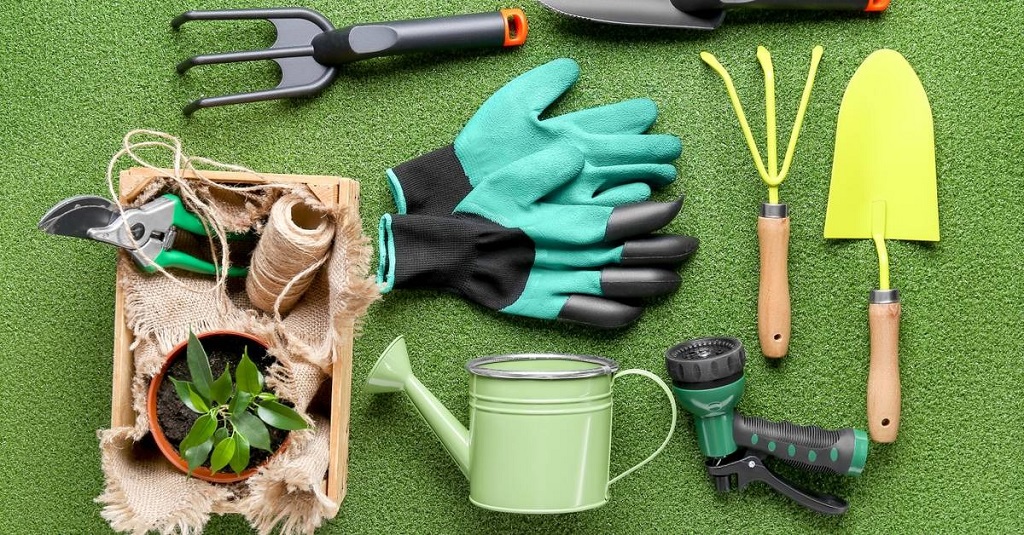
Why Cheap Tools Are Costing You More
On the surface, low-cost garden tools seem like a smart buy. You save money upfront. But dig a little deeper, and the true cost becomes obvious.
- Flimsy materials bend and break under pressure.
- Poorly designed handles lead to wrist strain and calluses.
- Rust-prone metals degrade in just one season.
A study by Consumer Reports found that cheaper garden tools had a failure rate 5x higher than mid- to high-end tools over a single growing season. That’s not just an inconvenience—it’s wasted money, time, and effort. In fact, gardeners who invest in quality tools report 40% fewer injuries and 60% greater productivity.
Craftsmanship Isn’t Just A Buzzword
True craftsmanship involves precision, durability, and design that caters to both form and function. Companies like Felco, Sneeboer, and Hori Hori have built loyal followings because they understand gardeners’ real needs. Their tools are forged from high-carbon steel, ash wood, and ergonomic excellence.
Take the classic hand pruner. A cheap version may cost $10 and last a season. A quality version may cost $60 but endure for decades. The blades remain sharp. The grip molds to your hand. The cut is clean, reducing plant stress and disease spread.
According to gardening expert Joe Lamp’l (aka Joe Gardener), “When you hold a well-crafted tool, you feel the difference. It’s balanced, efficient, and kind to your body.”
The Environmental Impact of Disposable Tools
Sustainability isn’t just about composting and native planting. It starts with the tools in your shed. Mass-produced, low-quality tools often use non-recyclable plastics and metals mined under questionable conditions.
Every broken rake or snapped trowel that gets tossed adds to landfill waste. By investing in quality tools that last, you reduce your environmental footprint. It’s the gardening equivalent of reusable shopping bags—small changes with lasting impact.
Plus, many quality tool manufacturers prioritize ethical sourcing and reduced emissions. Brands like DeWit and Burgon & Ball are leading the charge with sustainable materials and lifetime guarantees, aligning with the values of eco-conscious gardeners.
Ergonomics and Efficiency: Built for Real Hands
Gardeners aren’t all the same. Some have arthritis. Others garden for hours on end. Quality tools are designed with these differences in mind. They often include:
- Contoured handles that reduce strain
- Lightweight materials without sacrificing strength
- Non-slip grips for safer handling in wet conditions
These features aren’t gimmicks—they’re game changers. According to a 2023 survey by Gardening Know How, 78% of respondents experienced less physical discomfort when using ergonomic tools.
The result? More time doing what you love and less time nursing sore muscles.
The Hidden Joy of Heirloom Tools
There’s something poetic about using a tool that’s been passed down. A hand-forged spade from your grandmother. A pruning shear with patina and personality. Quality tools aren’t just functional—they’re story-rich.
These heirlooms remind us that gardening isn’t just about plants. It’s about connection—to the earth, to tradition, and to ourselves. When you choose craftsmanship, you’re choosing legacy over landfill.
Investing Wisely: What to Look For
You don’t need to break the bank to upgrade your garden arsenal. Focus on a few essentials:
- Hand Trowel – Look for stainless steel with a deep scoop and sturdy handle.
- Bypass Pruners – Choose forged blades and a replaceable spring mechanism.
- Garden Fork – Go for carbon steel with a robust wooden shaft.
- Hori Hori Knife – Multi-functional and surprisingly durable.
Always read reviews, check warranties, and test the grip when possible. A tool should feel like an extension of your hand, not a burden.
Featured Snippet: Why Do Quality Gardening Tools Matter So Much?
Quality gardening tools matter because they improve efficiency, reduce injury, and last significantly longer than cheaper alternatives. Premium tools are ergonomically designed, made from durable materials, and built for the long haul. They offer cleaner cuts, reduce plant damage, and make gardening a joy rather than a chore. Long-term, they save money and minimize environmental impact. Gardeners who invest in quality tools report higher satisfaction, increased productivity, and a deeper connection to their craft.
FAQs
Are expensive gardening tools worth the investment?
Yes. They last longer, perform better, and reduce the risk of injuries and plant damage.
Which gardening tool brand is the best?
Felco, Sneeboer, DeWit, and Burgon & Ball are widely trusted for their quality and durability.
How do I maintain my gardening tools?
Clean them after each use, sharpen blades regularly, and store them in a dry place to prevent rust.
What’s the most essential garden tool to invest in first?
A high-quality hand trowel or bypass pruner offers the best return for most gardeners.
Can ergonomic tools help with arthritis?
Yes. Ergonomically designed tools reduce strain on joints and are often recommended for gardeners with arthritis.
How do I know if a tool is well-crafted?
Check for forged metal parts, solid hardwood handles, weight balance, and manufacturer warranties.
Are wooden handles better than plastic ones?
Generally, yes. Ash or hickory wood provides durability, comfort, and a more sustainable alternative to plastic.
Related Topics: Front Yard Veggie Gardens Take Over Canadian Neighborhoods
Final Thought
Gardening is an art—and like any craft, it deserves the best tools. Choosing quality over convenience isn’t just about better performance. It’s a statement about your values, your health, and your respect for the earth. As the world leans into sustainability and intentional living, investing in durable, expertly crafted gardening tools is one of the smartest moves any gardener can make.
Related Topics:Best Tools and Tips for a Zero-Waste Garden
Don’t let poor tools ruin your gardening joy. Upgrade your toolkit today and dig deeper into the craft of quality.
