

I still remember the first garden trowel I ever used. It was a flimsy, plastic thing that bent under the slightest pressure, making even the simplest gardening tasks feel like a chore. That’s when I realized not all trowels are created equal. A good garden trowel can make the difference between a frustrating afternoon and a productive, enjoyable gardening session. Whether you’re planting flowers, digging up weeds, or mixing in compost, the right trowel can make your work easier, faster, and more effective.
A garden trowel is one of the most versatile tools in any gardener’s arsenal. It’s used for digging, planting, weeding, and even mixing soil amendments. If you’re serious about gardening, understanding the essentials of a garden trowel guide can help you find the perfect tool for your needs. According to a survey by Gardener’s World, over 80% of gardeners consider a high-quality trowel to be an essential part of their toolkit, thanks to its versatility and durability.
Why a Garden Trowel Is Essential for Home Gardening
A garden trowel is a must-have tool for any home gardener. It’s designed to handle a wide range of tasks, from digging small holes for seedlings to mixing in fertilizer or compost. Unlike larger tools like shovels or spades, a trowel is perfect for precision work in tight spaces, such as flower beds, container gardens, or between established plants. According to The Old Farmer’s Almanac, using the right trowel can improve the efficiency and effectiveness of your gardening tasks, allowing you to work more quickly and with less effort.
Additionally, a garden trowel can help you maintain the health of your soil. By allowing you to dig, aerate, and mix amendments more effectively, a trowel promotes better soil structure, drainage, and fertility. This can lead to healthier, more productive plants and a more beautiful, thriving garden. For gardeners who practice organic or sustainable methods, a trowel is an essential tool for working with the soil in a way that preserves its natural balance and health.
For those who love to get their hands dirty, a garden trowel also provides a more tactile and satisfying gardening experience. The right trowel can make it easier to connect with your garden, allowing you to feel the soil, the roots, and the rhythm of the work in a way that larger, more mechanical tools simply can’t match. Whether you’re a beginner or a seasoned pro, a garden trowel is a simple yet powerful tool for enhancing your gardening experience.
Types of Garden Trowels
Not all garden trowels are created equal. The type you choose can impact the efficiency, effectiveness, and comfort of your gardening tasks. Here are some of the most popular types to consider:
1. Standard Garden Trowel
The standard garden trowel is a versatile and widely used tool, featuring a flat, scoop-shaped blade with a pointed or rounded tip. It’s ideal for a variety of tasks, including digging small holes, transplanting seedlings, and mixing in soil amendments. Standard trowels are often made from durable materials like stainless steel or carbon steel, which can withstand the rigors of regular use.
Additionally, standard garden trowels often come with ergonomic handles, reducing strain on your hands and wrists during extended use. They’re a great choice for gardeners who want a reliable, all-purpose tool for a variety of gardening tasks.
2. Hand Trowel
A hand trowel is a smaller, more compact version of the standard garden trowel, designed for precision work in tight spaces. It’s ideal for tasks like planting seedlings, weeding, or working in container gardens. Hand trowels are often made from lightweight materials like aluminum or plastic, making them easy to maneuver and control.
Additionally, hand trowels often come with comfortable, ergonomic handles that allow for a firm grip and precise control. This makes them a practical and convenient choice for gardeners who want to work with accuracy and ease in smaller or more confined areas.
3. Transplanting Trowel
A transplanting trowel is a specialized tool designed for moving seedlings or small plants with minimal root disturbance. It typically features a long, narrow blade with a pointed tip, allowing you to dig deep and lift plants out of the soil without damaging their roots. Transplanting trowels are ideal for gardeners who frequently move plants or start their own seedlings.
Additionally, transplanting trowels often come with measurement markings on the blade to help you achieve consistent depth and spacing. This can be especially useful for gardeners who want to ensure their seedlings have the best possible start in their new home.
4. Warren Trowel
A Warren trowel is a heavy-duty tool designed for tougher gardening tasks, such as breaking up compacted soil or digging in rocky or clay-heavy ground. It features a strong, pointed blade with a reinforced edge, making it ideal for gardeners who need to tackle more challenging conditions. Warren trowels are often made from high-quality, durable materials like forged steel, which can withstand the rigors of regular use.
Additionally, Warren trowels often come with a comfortable, ergonomic handle that provides added leverage and control. This makes them a practical and reliable choice for gardeners who need a tool that can handle the demands of tougher soil or more intensive tasks.
5. Folding Trowel
A folding trowel is a compact, portable tool designed for gardeners on the go. It features a collapsible or foldable blade that can be easily stored in a pocket, tool belt, or gardening bag. Folding trowels are ideal for gardeners who need a convenient, space-saving option for travel or small-scale tasks.
Additionally, folding trowels often come with a sheath or case for safe storage and easy transport. This makes them a practical and versatile choice for gardeners who want a tool that’s both functional and easy to carry.
Key Features to Look for in a Garden Trowel
When choosing a garden trowel, there are several key features to consider to ensure you get the most out of your tool. Here’s what to look for:
1. Blade Material
The material of your trowel’s blade can impact its durability, performance, and longevity. Here are some popular options:
- Stainless Steel: Durable, rust-resistant, and easy to clean, stainless steel is a popular choice for garden trowels. It’s strong enough to handle a variety of tasks and can withstand the rigors of regular use.
- Carbon Steel: Strong and durable, carbon steel is another excellent choice for garden trowels. It’s often used in high-quality, professional-grade tools and can handle tougher tasks with ease. However, carbon steel may be more prone to rust if not properly maintained.
- Aluminum: Lightweight and corrosion-resistant, aluminum is a practical choice for gardeners who want a lighter, more maneuverable tool. However, it may not be as durable or strong as stainless steel or carbon steel.
- Plastic: Affordable and lightweight, plastic trowels are a budget-friendly option for casual gardeners or those with lighter tasks. However, they may not be as durable or effective for heavier-duty work.
Additionally, consider the thickness and shape of the blade. A thicker, more reinforced blade may be better for tougher tasks, while a thinner, more flexible blade may be more suitable for precision work.
2. Handle Material and Design
The handle of your garden trowel can impact its comfort, control, and durability. Look for handles made from high-quality, durable materials like hardwood, fiberglass, or rubber. These materials can provide a comfortable, non-slip grip and withstand the rigors of regular use.
Additionally, consider the design of the handle. Ergonomic handles with contoured or cushioned grips can reduce strain on your hands and wrists, making your gardening tasks more comfortable and enjoyable. Some trowels also come with extended or angled handles, which can provide added leverage and control for tougher tasks.
3. Blade Shape and Size
The shape and size of your trowel’s blade can impact its versatility and effectiveness for different tasks. Here are some popular options:
- Pointed Blade: Ideal for digging, transplanting, or working in tougher soil conditions. The pointed tip allows for precise, controlled digging and lifting.
- Rounded Blade: Perfect for scooping, mixing, or working in looser soil. The rounded tip allows for easier, more efficient movement through the soil.
- Flat Blade: Great for edging, leveling, or working in tight spaces. The flat tip allows for more precise, controlled tasks.
- Serrated Blade: Useful for cutting through roots, tough weeds, or compacted soil. The serrated edge provides added grip and control for more challenging tasks.
Additionally, consider the size of the blade. A larger blade may be better for digging or moving soil, while a smaller blade may be more suitable for precision work or tight spaces.
4. Durability and Build Quality
Durability is a key factor to consider when choosing a garden trowel. Look for a tool made from high-quality, durable materials that can withstand the rigors of regular use. Reinforced blades, strong handles, and sturdy construction can all extend the life of your trowel and ensure it performs well over time.
Additionally, consider the build quality of the trowel. Look for models with secure, stable connections between the blade and handle, as well as high-quality hardware that can handle the demands of gardening. This can help you avoid premature wear and tear and get the most out of your investment.
5. Comfort and Ergonomics
Comfort is an important consideration when choosing a garden trowel, especially if you spend a lot of time in the garden. Look for a trowel with an ergonomic handle that provides a comfortable, non-slip grip. Additionally, consider the weight and balance of the trowel. A lighter, more balanced tool can reduce strain on your hands and wrists, making your gardening tasks more enjoyable and less fatiguing.
Additionally, consider the length of the handle. A longer handle can provide added leverage and control for tougher tasks, while a shorter handle may be more maneuverable and precise for smaller or more confined spaces.
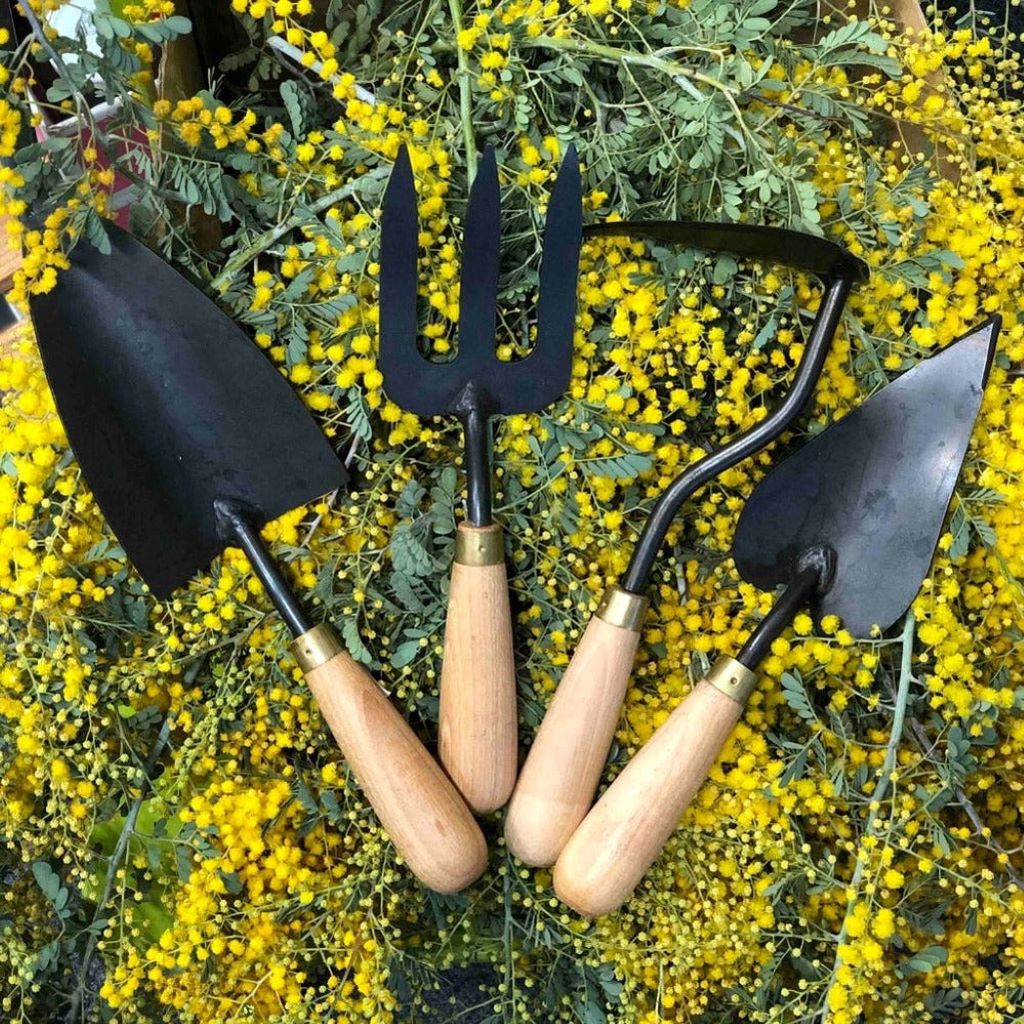
How to Choose the Right Garden Trowel for Your Gardening Tasks
Choosing the right garden trowel depends on your specific gardening tasks, the type of soil you’re working with, and your personal preferences. Here’s how to find the perfect trowel for your needs:
1. Consider Your Gardening Tasks
The type of gardening tasks you perform most frequently can influence the best type of trowel for your needs. For example, if you spend a lot of time digging or transplanting, a standard garden trowel or a transplanting trowel may be the best choice. If you frequently work in tight spaces or container gardens, a hand trowel or a folding trowel may be more suitable.
Additionally, consider the type of plants you’re working with. For delicate seedlings or small plants, a hand trowel or a transplanting trowel may be more appropriate. For tougher or larger plants, a standard garden trowel or a Warren trowel may be better suited.
2. Think About Your Soil Type
The type of soil you’re working with can also impact your choice of garden trowel. For lighter, looser soils, a standard garden trowel or a hand trowel may be sufficient. For heavier, clay-heavy, or rocky soils, a Warren trowel or a trowel with a reinforced blade may be necessary to handle the tougher conditions.
Additionally, consider the moisture level of your soil. In wetter or more compacted soils, a trowel with a pointed or serrated blade may be more effective for breaking up the ground and digging through the soil.
3. Evaluate Your Personal Preferences
Your personal preferences can also play a role in choosing the right garden trowel. For example, if you prefer a lighter, more maneuverable tool, a hand trowel or a folding trowel may be the best choice. If you prefer a more durable, heavy-duty tool, a standard garden trowel or a Warren trowel may be more suitable.
Additionally, consider the comfort and ergonomics of the trowel. Look for a tool with a comfortable, non-slip handle and a balanced, lightweight design to reduce strain on your hands and wrists.
4. Test the Trowel
Before purchasing a garden trowel, test it to make sure it feels comfortable and effective for your needs. Grip the handle and mimic the motions you’ll use for your gardening tasks, such as digging, scooping, or transplanting. Make sure the trowel feels balanced, sturdy, and easy to control.
Additionally, consider the weight of the trowel. A heavier trowel may provide more durability and strength for tougher tasks, while a lighter trowel may be more maneuverable and comfortable for extended use.
5. Consider the Brand and Warranty
The brand and warranty of your garden trowel can impact its quality, performance, and longevity. Look for a trowel from a reputable brand known for its durability, craftsmanship, and customer support. Additionally, consider the warranty offered by the manufacturer. A good warranty can provide peace of mind and protection against defects or damage, ensuring your trowel lasts for years to come.
Additionally, read reviews and ask for recommendations from other gardeners to find a trowel that’s well-regarded and trusted in the gardening community.
Common Mistakes to Avoid When Using a Garden Trowel
Even with the best intentions, it’s easy to make mistakes when using a garden trowel. Here are some common pitfalls to avoid:
1. Choosing the Wrong Trowel for the Job
Not all garden trowels are suited for every task. Avoid using a trowel that’s not designed for the specific job you’re doing, as this can lead to inefficiency, frustration, or even damage to the tool. For example, using a hand trowel for heavy-duty digging can cause the blade to bend or break. Instead, choose a trowel that’s designed for the tasks you perform most frequently.
Additionally, consider the type of soil you’re working with. A trowel that’s suitable for light, loose soil may not be effective for heavier, clay-heavy, or rocky soil.
2. Using Poor Technique
Using poor technique can lead to inefficiency, strain, or damage to your trowel. Avoid using excessive force or incorrect motions, as this can cause the blade to bend, break, or wear out prematurely. Instead, use smooth, controlled motions and let the trowel do the work for you.
Additionally, consider the angle at which you’re using the trowel. For digging or transplanting, a slight angle can help you penetrate the soil more effectively. For scooping or mixing, a more horizontal angle may be more appropriate.
3. Neglecting Maintenance
Neglecting to maintain your garden trowel can lead to rust, dullness, or damage over time. Avoid leaving your trowel exposed to the elements or storing it in a damp, dirty environment. Instead, rinse your trowel with water after each use to remove soil and debris, dry it thoroughly to prevent rust, and store it in a dry, safe place.
Additionally, consider sharpening your trowel’s blade occasionally to maintain its effectiveness. A sharp blade can penetrate the soil more easily and efficiently, reducing the effort and time required for your gardening tasks.
4. Overworking the Soil
Overworking the soil can disrupt its structure, harm beneficial organisms, and lead to compaction or erosion. Avoid digging or tilling the soil excessively, as this can break down aggregates and reduce its fertility and health. Instead, use your trowel to work the soil gently and precisely, focusing on the areas that need attention.
Additionally, consider the type of plants you’re working with. Some plants, like delicate seedlings or shallow-rooted annuals, may be more sensitive to soil disturbance than others.
5. Not Using the Right Grip
Using the wrong grip can lead to discomfort, strain, or loss of control when using your garden trowel. Avoid gripping the handle too tightly or at an awkward angle, as this can cause fatigue or injury over time. Instead, use a relaxed, natural grip that allows for comfortable, controlled movements.
Additionally, consider the length and design of the handle. A longer handle can provide added leverage and control for tougher tasks, while a shorter handle may be more maneuverable and precise for smaller or more confined spaces.
Tips for Getting the Most Out of Your Garden Trowel
To maximize the benefits of your garden trowel, follow these tips for efficient, effective, and enjoyable gardening:
1. Use the Right Trowel for the Task
Different garden trowels are designed for different tasks, so make sure to choose the right one for the job. For example, use a standard garden trowel for digging or transplanting, a hand trowel for precision work in tight spaces, and a Warren trowel for tougher soil or more intensive tasks. Using the right trowel can make your job easier, more efficient, and more successful.
Additionally, consider the type of soil you’re working with. A trowel with a pointed or serrated blade may be more effective for breaking up compacted or rocky soil, while a trowel with a rounded or flat blade may be more suitable for looser or more delicate soil.
2. Maintain a Sharp Blade
A sharp blade can make your gardening tasks easier and more efficient. Regularly sharpen your trowel’s blade with a file, whetstone, or sharpening tool to maintain its effectiveness. A sharp blade can penetrate the soil more easily, reducing the effort and time required for your tasks.
Additionally, consider the material of your trowel’s blade when sharpening. Stainless steel and carbon steel blades can be sharpened with a file or whetstone, while aluminum or plastic blades may not require sharpening or may be more difficult to sharpen effectively.
3. Clean and Store Properly
Proper cleaning and storage can extend the life of your garden trowel and keep it performing at its best. After each use, rinse your trowel with water to remove soil and debris, and dry it thoroughly to prevent rust or deterioration. Store your trowel in a dry, safe place, such as a tool shed, garage, or gardening bag.
Additionally, consider applying a light coat of oil or wax to your trowel’s blade and handle to prevent rust or drying. This can be especially important for trowels made from carbon steel or wood, which may be more prone to corrosion or deterioration.
4. Use Ergonomic Techniques
Using ergonomic techniques can help reduce strain and fatigue when using your garden trowel. Maintain a good posture, with your back straight and your knees slightly bent, to avoid putting excessive pressure on your spine or joints. Additionally, use your legs and core to generate power, rather than relying solely on your arms or wrists.
Additionally, consider taking breaks and stretching periodically to avoid overuse injuries or discomfort. This can help you stay comfortable and productive during extended gardening sessions.
5. Invest in Quality
Investing in a high-quality garden trowel can save you time, effort, and money in the long run. A well-made trowel can last for years, providing reliable, effective performance for a variety of gardening tasks. Look for a trowel made from durable materials, with a comfortable, ergonomic handle and a sturdy, well-constructed blade.
Additionally, consider the warranty and customer support offered by the manufacturer. A good warranty can provide peace of mind and protection against defects or damage, ensuring your trowel lasts for years to come.
The Benefits of Using a Garden Trowel
Using a garden trowel offers a variety of benefits that can enhance your gardening experience and the health of your garden. Here are some of the most notable advantages:
1. Versatility
One of the primary benefits of a garden trowel is its versatility. It can be used for a wide range of tasks, from digging and planting to weeding and mixing soil amendments. This makes it a practical and essential tool for any gardener, regardless of their experience level or the size of their garden.
Additionally, a garden trowel can adapt to different types of soil, plants, and gardening methods. Whether you’re working in a flower bed, vegetable garden, or container, a trowel can help you achieve the results you want with ease and efficiency.
2. Precision
A garden trowel allows for precise, controlled work in tight or delicate spaces. Its compact size and maneuverable design make it ideal for tasks like transplanting seedlings, weeding between plants, or working in container gardens. This precision can help you avoid damaging nearby plants or soil structure, leading to a healthier, more beautiful garden.
Additionally, consider the shape and size of your trowel’s blade. A pointed or serrated blade may be more effective for precision tasks, while a rounded or flat blade may be more suitable for scooping or mixing.
3. Efficiency
Using a garden trowel can make your gardening tasks more efficient and less physically demanding. Its compact size and lightweight design allow you to work more quickly and with less effort, reducing the time and energy required for your tasks. This can be especially important for gardeners with large gardens or those who spend a lot of time in the garden.
Additionally, a garden trowel can help you achieve more consistent, accurate results. By allowing you to dig, plant, or weed with precision and control, a trowel can improve the efficiency and effectiveness of your gardening tasks.
4. Durability
A high-quality garden trowel is designed to withstand the rigors of regular use, providing reliable, long-lasting performance for a variety of tasks. Its durable materials, sturdy construction, and ergonomic design can help you tackle tougher jobs with ease and confidence, knowing your tool won’t let you down.
Additionally, consider the maintenance and care of your trowel. A well-maintained trowel can last for years, providing a cost-effective and practical investment for any gardener.
5. Comfort
A garden trowel with an ergonomic handle and balanced design can make your gardening tasks more comfortable and enjoyable. By reducing strain on your hands, wrists, and back, a trowel can help you work longer and more productively without fatigue or discomfort. This can enhance your overall gardening experience and allow you to connect with your garden in a more satisfying and rewarding way.
Additionally, consider the weight and size of your trowel. A lighter, more compact tool may be more comfortable for extended use, while a heavier, more substantial tool may provide added durability and strength for tougher tasks.
Conclusion
A garden trowel is a simple yet powerful tool for enhancing your gardening experience and the health of your garden. By choosing the right trowel, using it effectively, and avoiding common mistakes, you can achieve more efficient, precise, and enjoyable results. Whether you’re a beginner or a seasoned pro, a garden trowel is an essential part of your gardening toolkit, helping you tackle a wide range of tasks with ease and confidence.
Remember, the best garden trowel is the one that fits your specific needs and preferences. Take your time, explore your options, and don’t be afraid to invest in a high-quality tool that will serve you well for years to come. With the right approach, your garden trowel can become a trusted and essential part of your gardening routine.
Have you found the perfect garden trowel for your needs? Share your tips, favorite tools, or gardening experiences in the comments below! If you found this article helpful, don’t forget to share it with your fellow gardeners. Here’s to more efficient, enjoyable, and productive gardening!
FAQs
What is a garden trowel?
A garden trowel is a hand tool designed for digging, planting, weeding, and mixing soil in gardening tasks. It typically features a flat, scoop-shaped blade with a pointed or rounded tip and a handle for grip and control.
How do I choose the right garden trowel for my needs?
Consider factors like blade material, handle material and design, blade shape and size, durability and build quality, and comfort and ergonomics when choosing a garden trowel. Think about your specific gardening tasks, soil type, and personal preferences to find the best trowel for you.
What are the best types of garden trowels for different tasks?
The best types of garden trowels for different tasks include standard garden trowels for general use, hand trowels for precision work, transplanting trowels for moving seedlings, Warren trowels for tougher soil, and folding trowels for portability. Choose the type that best suits your specific needs and gardening style.
How do I maintain my garden trowel?
Rinse your trowel with water after each use to remove soil and debris, dry it thoroughly to prevent rust, store it in a dry, safe place, sharpen the blade occasionally, and apply a light coat of oil or wax to prevent corrosion or drying.
How do I use a garden trowel for different gardening tasks?
Use a standard garden trowel for digging or transplanting, a hand trowel for precision work in tight spaces, a transplanting trowel for moving seedlings, a Warren trowel for tougher soil, and a folding trowel for portability. Use the right technique and grip for each task to ensure efficiency, effectiveness, and comfort.
