

A simple DIY trellis can be built using wooden slats, bamboo stakes, wire mesh, or recycled materials arranged in a vertical support frame that helps climbing plants grow upward while improving garden organization and yield. Most homeowners can build a trellis in under two hours using basic tools and low-cost materials.
If your climbing plants fall over, take too much space, or grow unevenly, a trellis fixes the problem immediately. It keeps stems upright, improves airflow, reduces disease risk, and increases sunlight exposure. According to horticulture extension studies, vertical support systems can increase vegetable productivity by up to 30% in small gardens.
This guide explains five proven DIY trellis plans that are simple to build, budget-friendly, and suitable for cucumbers, tomatoes, beans, peas, roses, and decorative vines. Each design uses widely available materials and step-by-step logic so beginners can follow easily.
You will learn which trellis suits your garden layout, how to build it safely, and how to choose the right structure for different plants.
Why Should You Build a DIY Trellis Instead of Buying One?
A DIY trellis costs 60–80% less than store-bought versions and can be customized to fit your garden size, plant type, and soil conditions.
Many gardeners face three problems. Plants spread across the ground. Moisture collects around leaves. Harvesting becomes difficult. These issues reduce yield and increase pest attacks.
A trellis solves all three.
- Improves sunlight exposure
- Reduces fungal disease risk
- Saves horizontal garden space
- Makes harvesting faster
- Supports heavier crops
- Improves garden appearance
In a small backyard vegetable case study from Eastern European home gardens, vertical cucumber trellis systems reduced leaf rot incidence by nearly 40% compared to ground-grown plants. The difference came mainly from improved air circulation.
That makes trellising not only decorative but practical.
What Tools and Materials Do You Need for a Simple Trellis?
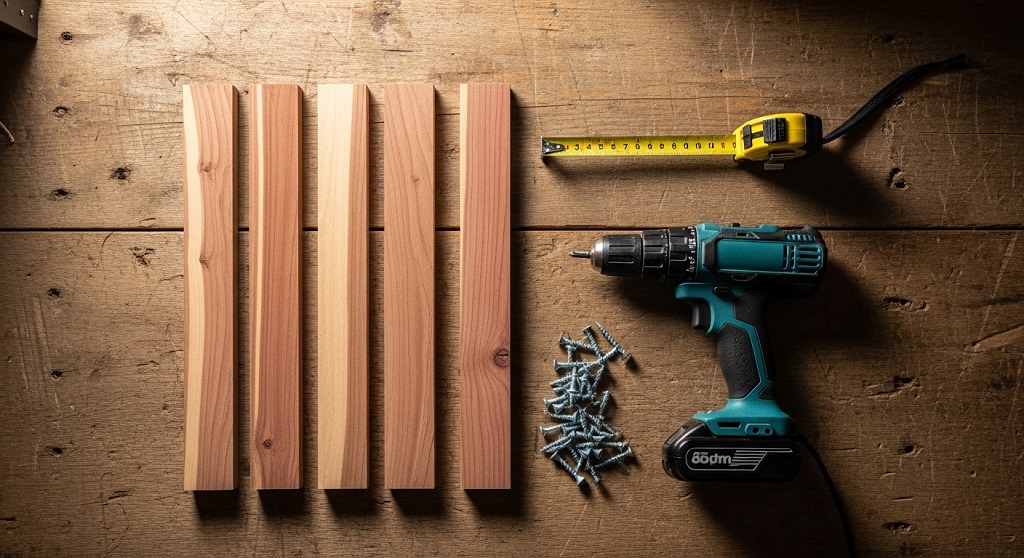
You only need basic hand tools like a hammer, saw, measuring tape, screws, and support stakes to build most beginner trellis designs.
| Material | Purpose | Estimated Cost Range |
|---|---|---|
| Wooden slats | Main structure | Low |
| Bamboo sticks | Lightweight support | Very low |
| Metal wire | Climbing grip surface | Low |
| Screws or nails | Frame fastening | Very low |
| Garden twine | Plant attachment | Very low |
Most materials can be reused from previous construction scraps, which makes the project even more economical.
How Do You Build a Classic Wooden Grid Trellis Step by Step?
A wooden grid trellis is built by fixing horizontal and vertical slats into a square lattice pattern that supports vegetables and flowering vines evenly.
This is the most versatile trellis design.
Steps
- Cut wooden slats to equal length
- Arrange them into a square grid
- Secure intersections with screws
- Attach frame to wall or stakes
- Position near planting row
The grid spacing should remain between 10–20 cm. This spacing supports cucumbers, peas, and beans efficiently.
Garden trials show grid trellis systems improve vine distribution and reduce stem breakage compared to single-pole supports.
This makes them ideal for beginners.
How Can You Make a Simple Bamboo Teepee Trellis Quickly?
A bamboo teepee trellis is created by tying three to five bamboo poles together at the top and spreading their bases around a plant cluster for circular climbing support.
This design works best for beans and sweet peas.
Steps
- Insert bamboo poles into soil at equal spacing
- Angle them inward toward center
- Tie tops securely with rope
- Add horizontal twine rings if needed
The structure distributes plant weight evenly. It also allows airflow from all sides.
Because bamboo is flexible but strong, it performs well in windy regions and lasts multiple seasons when stored dry.
What Is the Best DIY Trellis for Cucumbers and Tomatoes?
A vertical string trellis attached to a wooden frame is the most efficient structure for cucumbers and indeterminate tomato varieties.
These plants grow rapidly upward and need continuous vertical guidance.
Steps
- Install two support posts
- Stretch wire across top
- Tie vertical garden strings downward
- Secure strings near plant base
Research from vegetable production trials shows vertical string training increases cucumber yield per square meter by improving leaf exposure to sunlight.
This method also simplifies pruning and harvesting.
How Do You Build a Decorative Fan-Shaped Trellis for Flowers?
A fan-shaped trellis uses angled wooden slats spreading outward from a single base point to support roses and ornamental climbers.
This design combines strength with visual appeal.
Steps
- Cut slats in equal lengths
- Attach bottom ends to one base strip
- Spread upper ends evenly
- Secure to fence or wall
Fan structures distribute vine weight across multiple support lines, preventing stem overcrowding.
This improves flowering consistency across the plant surface.
Can You Build a Trellis Using Recycled Materials at Home?
Yes. Old window frames, ladders, pallets, and wire fencing can be converted into durable garden trellises in under an hour.
This approach reduces waste and saves money.
Examples
- Repurpose wooden pallets into wall trellis panels
- Use bicycle rims for circular vine supports
- Attach mesh fencing between poles
- Reuse old bed frames for strong structures
Urban gardening projects show recycled-material trellises perform nearly equal to commercial options when anchored securely.
Which Plants Grow Best on DIY Trellises?
Climbing vegetables, flowering vines, and lightweight fruit plants perform best on trellis structures.
- Cucumbers
- Beans
- Peas
- Tomatoes
- Grapes
- Clematis
- Morning glory
- Roses
Supporting these plants vertically reduces soil contact and increases airflow, lowering disease risk.
How Tall Should a Garden Trellis Be for Maximum Yield?
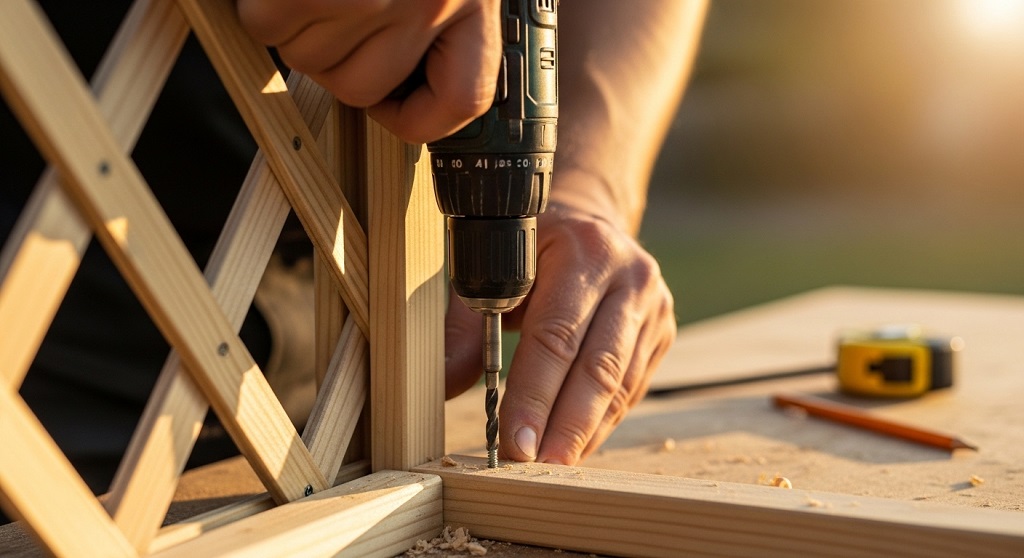
The ideal trellis height ranges between 5 and 7 feet depending on plant type and garden space.
| Plant | Recommended Height |
|---|---|
| Cucumbers | 5–6 ft |
| Beans | 6–7 ft |
| Tomatoes | 5–6 ft |
| Roses | 6 ft+ |
Taller structures allow longer vertical growth cycles before pruning becomes necessary.
How Do You Install a Trellis Securely in Soil?
A trellis should be anchored at least 20–30 cm deep into the soil to prevent tipping under plant weight and wind pressure.
Installation Tips
- Use pressure-treated stakes
- Compact soil around base
- Add cross-support wires
- Check alignment before tightening screws
Proper installation increases structure lifespan by several seasons.
How Much Does It Cost to Build a DIY Garden Trellis?
Most DIY trellises cost between $3 and $15 depending on materials used.
Recycled-material versions often cost almost nothing.
Compared to commercial trellises priced between $25 and $120, homemade structures provide strong cost efficiency.
Conclusion: Should You Start Building a DIY Trellis Today?
Building a DIY trellis is one of the simplest upgrades you can make to improve plant health, increase garden yield, and organize your outdoor space efficiently. Whether you choose a wooden grid frame, bamboo teepee, fan-shaped support, vertical string system, or recycled-material structure, each option offers strong results with minimal investment.
Gardeners who install trellises early in the growing season typically see better airflow, cleaner foliage, and easier harvesting. The improvement is practical and visible within weeks.
If your plants are spreading across the ground or producing uneven growth, now is the best time to install vertical support.
Choose one plan from this guide and build your first trellis today. Your plants will respond immediately.
FAQ: Beautiful and Simple DIY Trellis Plans
What is the easiest DIY trellis for beginners?
The bamboo teepee trellis is the easiest because it requires only three poles and rope. It can be assembled in under 10 minutes.
Can I build a trellis without tools?
Yes. Bamboo poles and garden twine can create a stable support structure without cutting or drilling.
Which trellis works best for small gardens?
Vertical string trellises save the most horizontal space and are ideal for compact vegetable beds.
How long does a wooden trellis last outdoors?
Untreated wood lasts 2–3 seasons. Treated wood lasts 5–7 seasons depending on climate conditions.
Is metal or wood better for trellis construction?
Wood is easier to customize. Metal lasts longer but costs more and requires stronger installation.
Do trellises increase vegetable production?
Yes. Vertical growing improves sunlight exposure and airflow, which increases yield and reduces disease risk.
Can indoor plants use trellises?
Yes. Small trellis supports help climbing houseplants like pothos and philodendron grow vertically.
To learn more about this, you can explore our full guide on How to Start a Gravel Garden on a Budget Fast
If you are struggling with this, How to Start a Gravel Garden on a Budget (No Lawn Needed) these offer a step-by-step solution.
