

Imagine burying a tiny seed in the soil, full of hope for a lush garden bursting with fresh vegetables or vibrant flowers. But days turn into weeks, and you’re left wondering: will it ever sprout? If you’ve ever felt that mix of excitement and impatience, you’re not alone. Seed germination—the magical process where a dormant seed awakens and pushes its first shoot toward the sun—can vary wildly depending on the plant type, environmental conditions, and your gardening techniques. In this comprehensive guide, we’ll dive deep into how long it typically takes for seeds to germinate, explore the key factors at play, and share practical tips to help you succeed. Whether you’re a beginner gardener starting your first indoor seed tray or a seasoned pro troubleshooting slow sprouts, this article will equip you with the knowledge to turn those seeds into thriving plants.
Understanding seed germination time is crucial for planning your garden. It helps you time plantings around your local frost dates, ensures healthy seedlings, and maximizes your harvest. We’ll cover germination periods for popular vegetables and flowers, step-by-step instructions for getting started, ways to accelerate the process, and pitfalls to avoid. By the end, you’ll have the tools to answer your burning question and grow with confidence.
What Is Seed Germination?
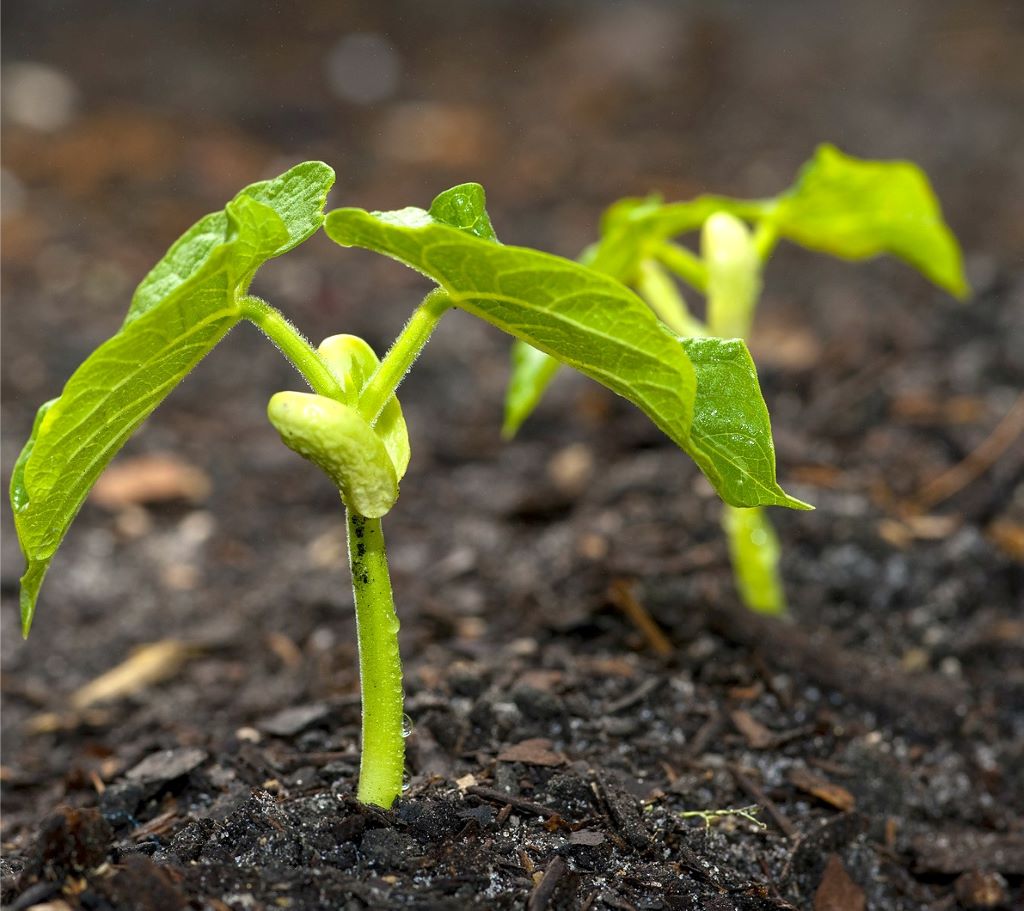
Seed germination is the initial stage in a plant’s life cycle, where a seed absorbs water, swells, and begins to grow roots and shoots. This process involves breaking dormancy, activating enzymes, and using stored nutrients to fuel growth. It’s not just about popping out of the soil; it’s a delicate balance of biology and environment.
For germination to occur, seeds need three essentials: water to soften the seed coat and kickstart metabolism, oxygen for respiration, and the right temperature to support enzyme activity. Without these, seeds remain inactive. Some seeds also require light or specific treatments like scarification (scratching the outer coat) to break through tough exteriors.
The time from planting to the first visible sprout—known as the germination period—can range from a few days to several weeks. Fast-germinating seeds like radishes might sprout in 3-5 days, while slower ones, such as parsley, could take up to 21 days or more. Knowing this helps set realistic expectations and prevents unnecessary worry.
Factors Influencing Seed Germination Time
Several elements can speed up or slow down how quickly seeds sprout. Recognizing these factors affecting seed germination allows you to create optimal conditions and troubleshoot issues.
Temperature
Temperature is one of the most critical factors in seed sprouting time. Most seeds have an ideal range where germination rates peak. For instance, warm-season crops like tomatoes prefer soil temperatures between 70-85°F (21-29°C), while cool-season veggies like lettuce thrive at 45-65°F (7-18°C). Too cold, and metabolism slows; too hot, and seeds may cook or dry out. Using a heat mat can help maintain consistent warmth indoors.
Moisture
Water triggers germination by hydrating the seed and activating growth processes. However, balance is key—soil should be moist like a wrung-out sponge, not soggy, to avoid rot. Overly dry conditions halt progress, while excessive moisture can lead to fungal diseases.
Light
Some seeds need light to germinate, like lettuce or petunias, which should be sown on the soil surface. Others, such as beans, prefer darkness and deeper planting. Check seed packets for light requirements to optimize your setup.
Soil Quality and pH
The growing medium influences oxygen availability and nutrient uptake. A well-aerated, sterile seed-starting mix prevents damping-off disease and supports healthy roots. Soil pH, ideally between 6.0-7.0 for most plants, affects nutrient absorption; extremes can inhibit sprouting.
Other Influences
External factors like salinity, burial depth, and pathogens also play roles. Seed quality matters too—fresh, viable seeds germinate faster than old or damaged ones. Environmental stressors, such as drought or fire in natural settings, can even enhance germination for certain wild species.
By controlling these variables, you can significantly reduce germination time and improve success rates.
Germination Times for Common Seeds
Wondering about specific seed sprouting durations? Here’s a breakdown for popular vegetables and flowers. These are averages under optimal conditions; actual times may vary based on the factors above.
Vegetable Seeds
Vegetables are garden staples, and their germination periods help you plan successive plantings.
| Vegetable | Germination Time (Days) | Optimal Soil Temperature (°F) |
| Beets | 3-5 | 50-85 |
| Broccoli | 3-5 | 65-75 |
| Carrots | 6-10 | 50-80 |
| Cabbage | 3-5 | 65-75 |
| Cauliflower | 3-5 | 65-75 |
| Corn | 4-7 | 65-85 |
| Kale | 5-10 | 70-75 |
| Lettuce | 2-7 | 45-65 |
| Onions | 7-14 | 50-75 |
| Peas | 6-10 | 40-75 |
| Peppers | 8-14 | 70-85 |
| Radishes | 3-5 | 45-90 |
| Spinach | 5-9 | 45-75 |
| Tomatoes | 5-10 | 70-85 |
Data sourced from reliable gardening resources. Cool-loving crops like spinach sprout quicker in spring, while heat-lovers like tomatoes may need indoor starting.
Flower Seeds
Flowers add color and pollinator appeal. Perennials often take longer than annuals.
| Flower | Germination Time (Days) | Optimal Soil Temperature (°F) |
| Marigolds | 4-7 | 70-75 |
| Zinnias | 5-7 | 70-85 |
| Sunflowers | 7-10 | 70-85 |
| Petunias | 7-14 | 70-75 |
| Cosmos | 7-10 | 68-75 |
| Nasturtiums | 7-14 | 65-70 |
| Poppies | 10-21 | 55-65 |
| Lavender | 14-28 | 65-70 |
| Snapdragons | 7-14 | 65-75 |
These times are for common varieties. Slow-germinating flowers like lavender benefit from stratification (cold treatment) to mimic winter.
Step-by-Step Guide to Germinating Seeds
Ready to get your hands dirty? Follow this beginner-friendly seed starting guide for reliable results.
- Gather Supplies: Collect seeds, seed-starting mix, trays or pots, labels, and a spray bottle. Opt for sterile mix to avoid diseases.
- Prepare the Medium: Moisten the mix until it’s damp but not wet. Fill trays, gently firming the surface.
- Sow the Seeds: Plant at the recommended depth—usually 2-3 times the seed’s diameter. Space them to prevent crowding.
- Cover and Water: Lightly cover light-needing seeds or press others in. Mist gently to settle.
- Provide Warmth and Light: Place in a warm spot (use a heat mat if needed) and cover with plastic for humidity. Once sprouted, provide 14-16 hours of light daily via grow lights.
- Monitor and Maintain: Keep soil moist, remove covers after sprouting, and fertilize lightly once true leaves appear.
- Transplant: Harden off seedlings outdoors before moving to the garden.
This method works for most seeds, but always check packets for specifics.
Tips to Speed Up Seed Germination
Want faster results? These techniques can shave days off your wait.
- Pre-Soak Seeds: Soak hard-coated seeds like beans overnight in warm water to soften shells.
- Use Hydrogen Peroxide: A dilute solution (1-3%) helps prevent mold and oxygenates the medium.
- Scarification: Gently nick tough seeds with sandpaper to aid water penetration.
- Paper Towel Method: Germinate in damp towels inside a bag for quick sprouting before transplanting.
- Optimal Temperature Control: Heat mats can boost rates by 2-3 times for warm-loving plants.
- Epsom Salt Soak: A mild solution provides magnesium, aiding enzyme activity.
Combine these with fresh seeds for the best outcomes.
Common Mistakes in Seed Germination and How to Avoid Them
Even experienced gardeners slip up. Here are frequent errors and fixes.
- Starting Too Early: Seedlings become leggy indoors. Time based on your last frost date.
- Overwatering: Causes damping-off. Water from the bottom and let soil dry slightly.
- Insufficient Light: Leads to weak plants. Use grow lights positioned 2-4 inches above seedlings.
- Wrong Soil: Garden soil harbors pests. Stick to seed-starting mixes.
- Not Labeling: Mix-ups happen. Tag trays immediately.
- Ignoring Seed Viability: Old seeds fail. Test germination rates first.
Avoiding these boosts your success and saves time.
Frequently Asked Questions
What if my seeds don’t germinate?
Check temperature, moisture, and seed age. Resow if needed.
Can I germinate seeds outdoors?
Yes, for direct-sown crops like carrots, but protect from extremes.
How do I know if seeds are viable?
Use the paper towel test: If most sprout in 7-10 days, they’re good.
What’s the best way to store seeds?
Cool, dry, dark places extend viability up to 5 years for many types.
Do all seeds need stratification?
No, mainly perennials and some trees to simulate winter.
Conclusion
Seed germination time isn’t a one-size-fits-all answer—it depends on plant variety, conditions, and care. From quick-sprouting radishes in 3 days to patient lavender taking a month, understanding factors like temperature and moisture empowers you to garden smarter. By following our step-by-step guide, applying speed-up tips, and dodging common pitfalls, you’ll enjoy higher success rates and a bountiful harvest.
Read More:
Creative DIY Garden Ideas on a Budget
