

There’s nothing more frustrating than watching weeds take over a garden you’ve worked so hard to cultivate. I still remember the first summer I spent hours pulling weeds by hand, only to see them pop back up a few days later. That’s when I discovered the game-changing power of a garden weeding knife. It wasn’t just about saving time—it was about getting to the root of the problem, literally. A good weeding knife lets you slice through stubborn weeds at their base, ensuring they don’t grow back as quickly. For anyone tired of the endless cycle of weeding, understanding the proper weeding knife use can transform your garden maintenance routine.
Weeds are more than just an eyesore; they compete with your plants for water, nutrients, and sunlight. According to a study by the University of California Agriculture and Natural Resources, weeds can reduce crop yields by up to 50% if left unchecked. A weeding knife helps you tackle this problem efficiently by allowing you to cut weeds at the soil line, severing their roots and preventing regrowth. Unlike hand-pulling, which often leaves roots behind, a weeding knife ensures a cleaner, more thorough removal.
Why a Garden Weeding Knife Is Essential for Efficient Weed Removal
A garden weeding knife is a must-have tool for any gardener looking to keep their garden weed-free with minimal effort. Unlike traditional methods like hand-pulling or hoeing, a weeding knife allows you to target weeds precisely at their base, cutting them off at the soil line and preventing regrowth. This method is not only more efficient but also less physically demanding, saving you time and energy. According to Gardener’s World, using a weeding knife can reduce the time spent on weeding by up to 60%, making it a worthwhile investment for any garden enthusiast.
Additionally, a weeding knife is versatile. It can be used in a variety of settings, from vegetable gardens and flower beds to pathways and lawn edges. Its sharp, narrow blade allows you to work in tight spaces, such as between plants or along garden borders, where larger tools like hoes or cultivators can’t reach. For gardeners dealing with persistent or deep-rooted weeds, a weeding knife can be a game-changer, allowing you to remove weeds without disturbing the surrounding soil or plants.
For those who practice organic or sustainable gardening, a weeding knife is also an eco-friendly option. It eliminates the need for chemical herbicides, which can harm the environment and beneficial garden organisms. Instead, it allows you to control weeds manually, promoting a healthier, more balanced garden ecosystem. Whether you’re a beginner or a seasoned gardener, a weeding knife is a simple yet powerful tool for maintaining a beautiful, weed-free garden.
Types of Garden Weeding Knives
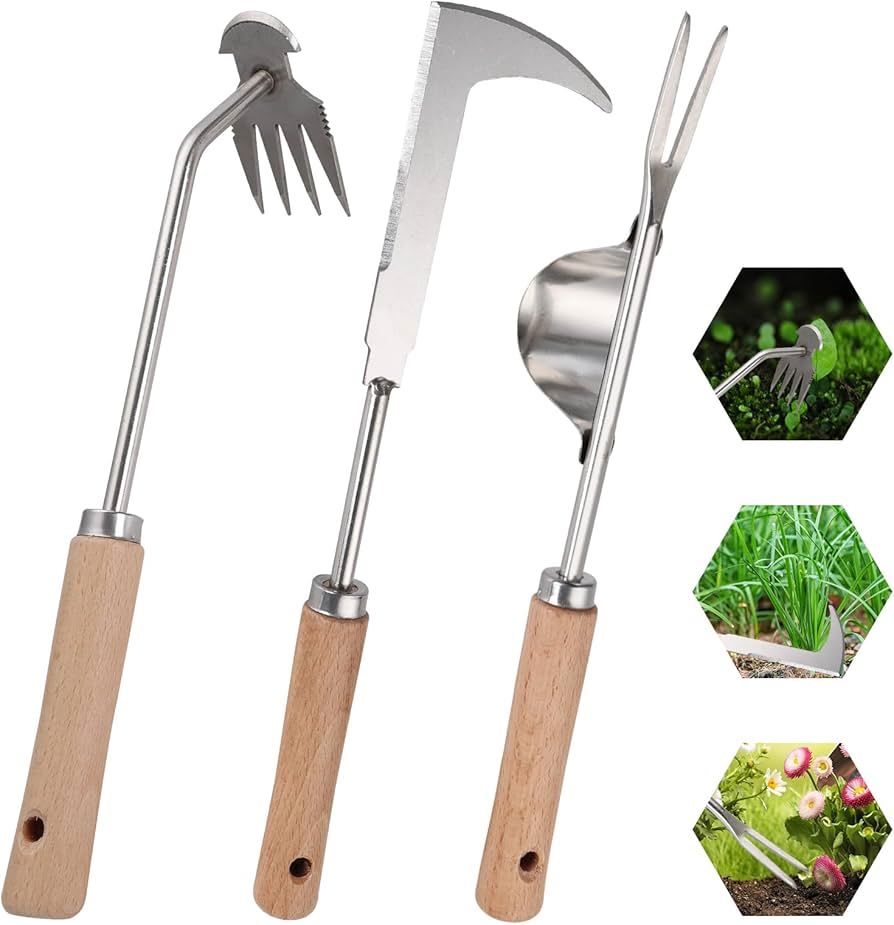
Not all weeding knives are created equal. The type you choose can impact the efficiency and effectiveness of your weeding efforts. Here are some of the most popular types to consider:
1. Japanese Hori-Hori Knife
The Japanese Hori-Hori knife is a versatile and popular choice among gardeners. It features a sharp, serrated blade on one side and a flat, digging edge on the other, making it ideal for a variety of tasks, including weeding, digging, and cutting. The Hori-Hori knife is especially useful for slicing through tough weeds or roots, as well as for planting and transplanting. Its durable, stainless steel blade and comfortable handle make it a reliable and long-lasting tool for any garden.
Additionally, the Hori-Hori knife often comes with a sheath for safe storage and a measurement scale on the blade for precise planting or weeding. This makes it a practical and convenient choice for gardeners who want a multi-purpose tool.
2. Oscillating Hoe Weeding Knife
An oscillating hoe weeding knife features a sharp, oscillating blade that moves back and forth as you push and pull it through the soil. This motion allows the blade to slice through weeds at the soil line, severing their roots and preventing regrowth. Oscillating hoe weeding knives are ideal for larger areas or for gardeners who want to cover more ground quickly and efficiently.
Additionally, oscillating hoe weeding knives often come with long handles, allowing you to weed while standing upright. This can reduce strain on your back and knees, making it a more comfortable option for extended weeding sessions.
3. Cape Cod Weeder
The Cape Cod weeder is a classic and simple weeding knife designed for precision and control. It features a long, narrow blade with a sharp, beveled edge that can easily slice through weeds at the soil line. The Cape Cod weeder is ideal for working in tight spaces, such as between plants or along garden borders, where larger tools can’t reach.
Additionally, the Cape Cod weeder often comes with a comfortable, ergonomic handle that allows for a firm grip and precise control. This makes it a great choice for gardeners who want to target weeds with accuracy and efficiency.
4. Dandelion Weeder
A dandelion weeder is a specialized tool designed for removing deep-rooted weeds like dandelions, thistles, or docks. It features a long, narrow blade with a forked or V-shaped tip that can dig deep into the soil to lift and remove the entire root system. Dandelion weeders are ideal for gardeners dealing with persistent or tough weeds that are difficult to remove with other tools.
Additionally, dandelion weeders often come with a comfortable, ergonomic handle and a foot rest for added leverage. This allows you to dig deep into the soil with minimal effort, making it a practical and efficient choice for removing stubborn weeds.
5. Serrated Weeding Knife
A serrated weeding knife features a blade with a serrated or saw-toothed edge, designed for cutting through tough or woody weeds. The serrated edge provides added grip and control, allowing you to slice through weeds with ease. Serrated weeding knives are ideal for gardeners dealing with thick-stemmed or fibrous weeds that are difficult to cut with a smooth blade.
Additionally, serrated weeding knives often come with a comfortable, ergonomic handle and a durable, stainless steel blade. This makes them a reliable and long-lasting choice for tackling tough weeds in your garden.
How to Use a Garden Weeding Knife for Efficient Weed Removal
Using a garden weeding knife effectively can make all the difference in the health and appearance of your garden. Here’s a step-by-step guide to help you get the most out of your tool:
1. Choose the Right Time
The best time to weed is when the soil is slightly moist but not waterlogged. Dry, hard soil can be difficult to penetrate, while overly wet soil can make it hard to grip and remove weeds effectively. Aim for a time when the soil is crumbly and easy to work with, typically a day or two after a light rain or watering.
Additionally, consider the weather. Early morning or late afternoon is often the best time to weed, as the temperatures are cooler and the plants are less stressed. Avoid weeding in the heat of the day, as this can be physically demanding and stressful for both you and your plants.
2. Position the Blade
Hold the weeding knife with a firm grip, positioning the blade at the base of the weed, as close to the soil line as possible. Angle the blade slightly to ensure it slices through the weed’s stem or root cleanly and efficiently. For tough or deep-rooted weeds, you may need to insert the blade deeper into the soil to reach the root system.
Additionally, consider the type of weed you’re removing. For shallow-rooted weeds, a quick slice at the soil line may be sufficient. For deep-rooted or persistent weeds, you may need to dig deeper and lift the entire root system to prevent regrowth.
3. Slice and Lift
Using a smooth, controlled motion, slice through the weed’s stem or root with the blade of your weeding knife. For shallow-rooted weeds, this may be enough to sever the weed and prevent regrowth. For deep-rooted weeds, use the blade to dig around the root system, lifting it out of the soil as you go. Be careful to remove as much of the root as possible to prevent the weed from growing back.
Additionally, consider the angle of the blade. A slight angle can help you slice through the weed more cleanly and efficiently, while a steeper angle may be better for digging and lifting deep roots.
4. Remove the Weed
Once you’ve sliced through the weed’s stem or root, use your weeding knife or your hands to lift and remove the weed from the soil. Be careful to pull the weed out by its root, avoiding the stem, which can be easily damaged or broken. If the weed has a deep or extensive root system, you may need to use your knife to dig and lift it out in sections.
Additionally, consider the disposal of the weeds. Avoid composting weeds that have gone to seed or that are persistent or invasive, as this can spread them to other areas of your garden. Instead, dispose of them in the trash or a designated weed pile.
5. Repeat and Refine
Continue slicing and lifting weeds across your garden, working in sections to ensure you cover the entire area evenly. For larger gardens, consider using a systematic pattern, such as working in rows or sections, to avoid missing spots or overworking certain areas. Additionally, pay attention to areas that seem particularly weedy or overgrown, as these may require extra passes with your weeding knife.
Additionally, consider the follow-up care for your garden. After weeding, water your plants thoroughly to help them recover from any stress or disturbance. Additionally, consider adding a layer of mulch to suppress future weed growth and retain moisture in the soil.
Common Mistakes to Avoid When Using a Garden Weeding Knife
Even with the best intentions, it’s easy to make mistakes when using a garden weeding knife. Here are some common pitfalls to avoid:
1. Weeding at the Wrong Time
Weeding at the wrong time can make the job more difficult and less effective. Avoid weeding when the soil is too dry or too wet, as this can make it hard to slice through weeds or remove their roots effectively. Instead, choose a time when the soil is slightly moist and easy to work with.
Additionally, consider the weather and the specific needs of your plants. Weeding in the heat of the day can be physically demanding and stressful for both you and your garden. Instead, opt for early morning or late afternoon, when the temperatures are cooler and the plants are less stressed.
2. Using the Wrong Technique
Using the wrong technique can lead to incomplete weed removal or damage to your plants. Avoid slicing through weeds haphazardly or at the wrong angle, as this can leave roots behind or damage nearby plants. Instead, position the blade of your weeding knife at the base of the weed, as close to the soil line as possible, and slice through the stem or root cleanly and efficiently.
Additionally, consider the type of weed you’re removing. For shallow-rooted weeds, a quick slice at the soil line may be sufficient. For deep-rooted or persistent weeds, you may need to dig deeper and lift the entire root system to prevent regrowth.
3. Neglecting the Roots
Neglecting to remove the roots of weeds can lead to regrowth and a never-ending cycle of weeding. Avoid simply cutting off the tops of weeds, as this can leave the roots behind to grow back. Instead, use your weeding knife to dig deep and remove as much of the root system as possible.
Additionally, consider the type of weed you’re dealing with. Some weeds, like dandelions or thistles, have deep, taproot systems that can be difficult to remove. For these weeds, you may need to use a specialized tool, such as a dandelion weeder, to dig deep and lift the entire root.
4. Damaging Nearby Plants
When weeding, it’s important to avoid damaging the plants you want to keep. Avoid slicing or digging too close to the base of your desired plants, as this can sever their roots or stems and cause stress or damage. Instead, work carefully and precisely, using your weeding knife to target weeds without disturbing the surrounding soil or plants.
Additionally, consider the spacing of your plants. If your garden is densely planted, you may need to use a narrower or more precise weeding knife to avoid damaging nearby plants.
5. Not Maintaining Your Weeding Knife
A dull or poorly maintained weeding knife can make your job more difficult and less effective. Avoid neglecting to clean, sharpen, or store your knife properly, as this can lead to rust, dullness, or damage. Instead, rinse your knife with water after each use to remove soil and debris, dry it thoroughly to prevent rust, and store it in a dry, safe place.
Additionally, consider sharpening your knife regularly to maintain its effectiveness. A sharp blade can slice through weeds more cleanly and efficiently, reducing the effort and time required for weeding.
Tips for Getting the Most Out of Your Garden Weeding Knife
To maximize the benefits of your garden weeding knife, follow these tips for efficient and effective weed removal:
1. Use the Right Tool for the Job
Different weeding knives are designed for different tasks, so make sure to choose the right one for your specific needs. For example, a Hori-Hori knife is ideal for slicing through tough weeds or roots, while a Cape Cod weeder may be better suited for precision work in tight spaces. Using the right tool can make your job easier, more efficient, and more successful.
Additionally, consider the size and shape of your weeding knife. A tool with a long, narrow blade may be better for working in tight spaces or between plants, while a tool with a wider, more robust blade may be more suitable for larger or tougher weeds.
2. Work in Sections
Weeding can be a daunting task, especially in larger gardens. Break the job down into smaller, manageable sections, and focus on one area at a time. This can help you stay organized and ensure you cover the entire garden evenly. Additionally, working in sections can help prevent overwhelm and make the task feel more achievable.
Additionally, consider the layout of your garden. If you have distinct areas, such as flower beds, vegetable gardens, or pathways, tackle them one at a time to avoid missing spots or overworking certain areas.
3. Weed Regularly
Regular weeding can prevent weeds from becoming a problem in the first place. Aim to weed your garden at least once a week, or more frequently if you have persistent or fast-growing weeds. This can help keep your garden looking its best and prevent weeds from competing with your plants for resources.
Additionally, consider the life cycle of the weeds in your garden. Some weeds, like annuals, can be controlled by removing them before they go to seed. Others, like perennials, may require more frequent or thorough removal to prevent regrowth.
4. Use a Systematic Approach
When weeding, use a systematic approach to ensure you cover the entire garden evenly. For example, work in rows or sections, moving from one end of the garden to the other. This can help you avoid missing spots or overworking certain areas, ensuring a thorough and efficient job.
Additionally, consider the type of weeds you’re dealing with. For persistent or deep-rooted weeds, you may need to spend extra time and effort to remove them completely. For shallow-rooted or annual weeds, a quick slice at the soil line may be sufficient.
5. Follow Up with Mulch
After weeding, consider adding a layer of mulch to your garden to suppress future weed growth. Mulch can help retain moisture in the soil, regulate soil temperature, and improve soil health, all while preventing weeds from taking root. Organic mulches, such as straw, wood chips, or leaves, can also break down over time, adding valuable organic matter to your soil.
Additionally, consider the type of mulch that best suits your garden. For example, straw or wood chips may be better for vegetable gardens or flower beds, while leaves or grass clippings may be more suitable for pathways or lawn edges.
The Benefits of Using a Garden Weeding Knife
Using a garden weeding knife offers a variety of benefits that can transform your gardening experience and the health of your garden. Here are some of the most notable advantages:
1. Saves Time and Effort
One of the primary benefits of using a garden weeding knife is its ability to save you time and effort. Unlike hand-pulling, which can be slow and physically demanding, a weeding knife allows you to slice through weeds quickly and efficiently, reducing the time and energy required for weeding. This can be especially important for gardeners with large gardens or those who weed frequently.
Additionally, using a weeding knife can help you cover more ground in less time, making it a practical and efficient choice for maintaining a weed-free garden.
2. Reduces Weed Regrowth
A garden weeding knife allows you to cut weeds at the soil line, severing their roots and preventing regrowth. This is more effective than hand-pulling, which often leaves roots behind, allowing weeds to grow back quickly. By removing weeds at their base, you can reduce the need for frequent weeding and keep your garden looking its best.
Additionally, using a weeding knife can help you target persistent or deep-rooted weeds more effectively. By digging deep and lifting the entire root system, you can prevent these weeds from growing back and taking over your garden.
3. Preserves Soil Structure
Unlike larger tools like hoes or cultivators, which can disrupt the soil and harm beneficial organisms, a weeding knife allows you to target weeds precisely without disturbing the surrounding soil. This preserves the delicate balance of your garden’s ecosystem, promoting healthier soil and plants.
Additionally, using a weeding knife can help you avoid compacting the soil, which can restrict root growth and water infiltration. By working carefully and precisely, you can maintain loose, healthy soil that’s better able to support plant growth.
4. Improves Plant Health
By removing weeds that compete with your plants for water, nutrients, and sunlight, a garden weeding knife can improve the health and vitality of your garden. Weeds can also harbor pests and diseases, which can spread to your plants and cause damage. By keeping your garden weed-free, you can reduce the risk of these problems and promote a more productive and beautiful garden.
Additionally, using a weeding knife can help you target weeds more effectively, reducing the need for chemical herbicides or other harsh treatments. This can promote a healthier, more balanced garden ecosystem and reduce the risk of harm to beneficial organisms.
5. Enhances Garden Aesthetics
A weed-free garden is not only healthier but also more beautiful. Using a garden weeding knife can help you maintain a clean, tidy, and visually appealing garden that you can be proud of. This can enhance your enjoyment of the space and make it a more inviting and relaxing environment.
Additionally, consider the versatility of your weeding knife. Many weeding knives can also be used for other gardening tasks, such as planting, transplanting, or digging. This can make them a practical and cost-effective investment for any gardener.
Conclusion
A garden weeding knife is a simple yet powerful tool for maintaining a healthy, weed-free garden. By choosing the right knife, using it effectively, and avoiding common mistakes, you can save time and effort, reduce weed regrowth, preserve soil structure, improve plant health, and enhance the aesthetics of your garden. Whether you’re a beginner or a seasoned gardener, a weeding knife can help you tackle weeds with precision and efficiency, allowing you to spend more time enjoying your garden and less time battling unwanted plants.
Remember, the best way to use a garden weeding knife is to work with the soil, not against it. Take your time, use the right technique, and maintain your tool to ensure it performs at its best. With a little practice and attention, your weeding knife can become an essential part of your gardening toolkit.
Have you used a garden weeding knife to tackle weeds in your garden? Share your tips, favorite tools, or gardening experiences in the comments below! If you found this article helpful, don’t forget to share it with your fellow gardeners. Here’s to a healthier, more beautiful, and weed-free garden!
FAQs
What is a garden weeding knife?
A garden weeding knife is a manual tool designed for efficiently removing weeds from your garden. It features a sharp, narrow blade that allows you to slice through weeds at the soil line, severing their roots and preventing regrowth. This makes it a practical and effective choice for maintaining a weed-free garden.
How do I use a garden weeding knife for efficient weed removal?
Choose the right time when the soil is slightly moist, position the blade at the base of the weed, slice and lift the weed cleanly, remove it from the soil, and repeat systematically across your garden. Work in sections to ensure even coverage and avoid missing spots or overworking certain areas.
What are the best types of garden weeding knives?
The best types of garden weeding knives include Japanese Hori-Hori knives, oscillating hoe weeding knives, Cape Cod weeders, dandelion weeders, and serrated weeding knives. Each type offers its own advantages, so choose the one that best suits your specific needs and the types of weeds in your garden.
How do I avoid damaging my plants when weeding?
Work carefully and precisely, using your weeding knife to target weeds without disturbing the surrounding soil or plants. Avoid slicing or digging too close to the base of your desired plants, and consider the spacing of your plants when weeding in densely planted areas.
How do I care for my garden weeding knife?
Rinse your weeding knife with water after each use to remove soil and debris, dry it thoroughly to prevent rust, and store it in a dry, safe place. Additionally, sharpen the blade regularly to maintain its effectiveness, and apply a light coat of oil to prevent corrosion.
